Understanding the reasons behind blocked login attempts is crucial for maintaining digital security. In today’s digital world, we’re constantly logging into various accounts, from social media to online banking. But what happens when you suddenly find yourself locked out? This article dives into the nitty-gritty of why your login attempts might be blocked and how these blocks act as a digital bodyguard, shielding your online accounts from unauthorized access.
Login attempt blocks occur when multiple failed login attempts are detected, signaling potential unauthorized access. Think of it as your account’s way of raising a red flag. This mechanism is not just a nuisance; it’s a crucial line of defense against hackers and cyber threats. By halting suspicious activities, it ensures the safety of your personal information. So, next time you see a block, remember it’s just your account playing it safe.
Several factors can trigger a login attempt block. It’s like setting off an alarm when something seems off. Recognizing these triggers can help you manage and prevent future blocks. Let’s break down the usual suspects:
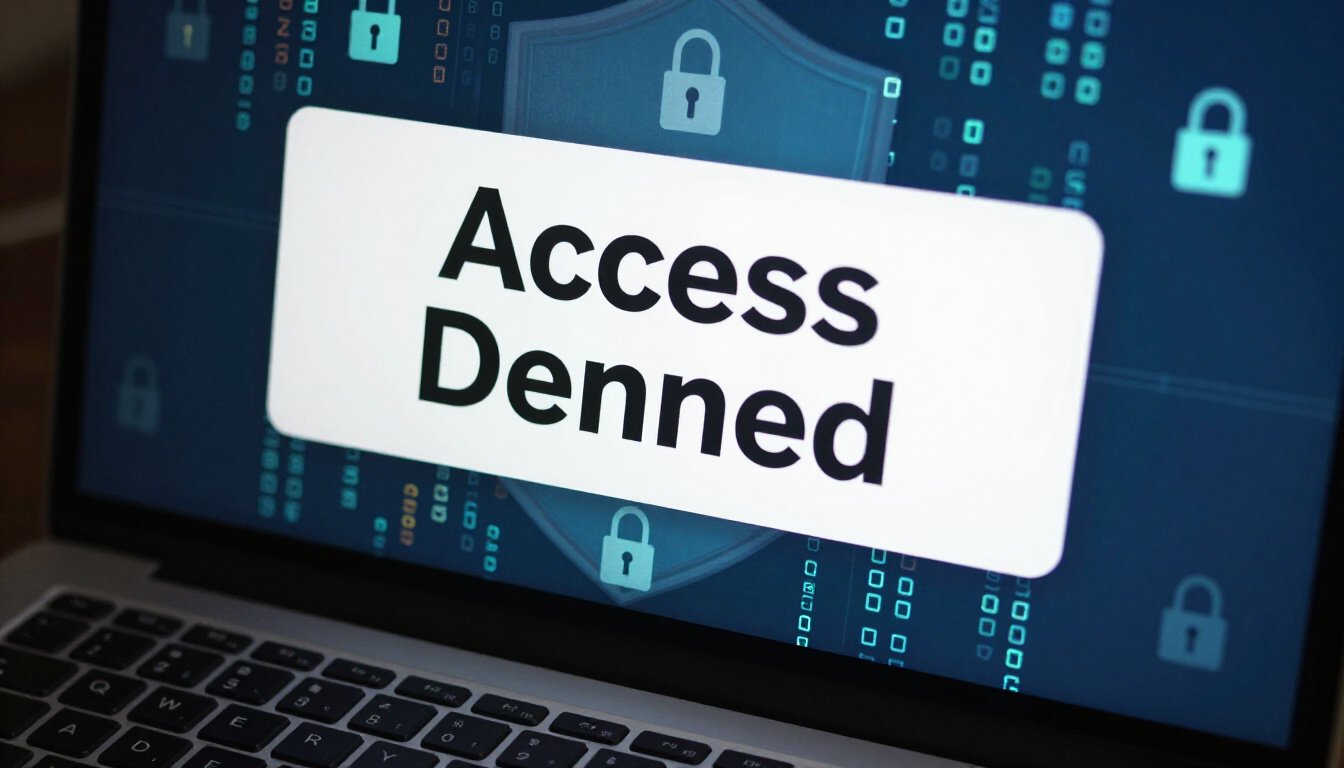
We’ve all been there—typing in what we think is the right password only to be met with a big fat “Access Denied.” Repeated incorrect password entries are a common trigger for login blocks. This security measure is like a digital bouncer, preventing unauthorized users from guessing your password through brute-force attacks. So, always double-check those pesky passwords!
Ever tried logging in from a different city or country and got blocked? Logging in from a new or unexpected location may prompt a security block. It’s like your account saying, “Hey, are you sure this is you?” This feature alerts you to potential unauthorized access from unfamiliar places, keeping your account safe and sound.
Access attempts from known malicious IP addresses can result in blocked logins. Imagine it as your account’s way of sniffing out trouble. This protects your account from being accessed by hackers using compromised networks. It’s like having a digital watchdog guarding your virtual gates.
If you encounter a login attempt block, don’t panic. There are several steps you can take to regain access. It’s like following a treasure map to unlock your account again:
To lift a login block, you may need to verify your identity through email or phone confirmation. This step ensures that the account owner is attempting to access the account. It’s like showing your ID to prove you’re the real deal.
Resetting your password is a common solution for resolving login blocks. This action secures your account and prevents further unauthorized access attempts. Think of it as changing the locks on your digital door.
To avoid future login blocks, consider implementing security best practices. It’s like fortifying your digital fortress. Use strong, unique passwords, enable two-factor authentication, and regularly monitor your account activity. These steps will help ensure your online security remains tight and secure.
Understanding Login Attempt Blocks
Understanding the reasons behind blocked login attempts is crucial for maintaining digital security. This article explores the various factors that trigger these blocks and how they protect your online accounts from unauthorized access.
Imagine this: you’re trying to log into your favorite online account, but suddenly, you hit a digital wall. A message pops up, saying your login attempt has been blocked. Frustrating, right? But don’t worry, there’s a good reason behind it. Login attempt blocks are like the digital equivalent of a bouncer at a club. They’re there to keep out the unwanted guests and ensure only the right people get in.
These blocks happen when multiple failed login attempts are detected. It’s like trying to guess the combination of a lock and getting it wrong too many times. The system senses something fishy and decides to shut the door. This is a key part of your online security, acting as a shield against potential hackers who are trying to break into your account.
Why is this important? Because in today’s digital age, your personal information is like gold. Hackers are constantly on the prowl, looking for ways to get their hands on your data. By blocking suspicious login attempts, these security measures help protect your account from being compromised. It’s like having a personal bodyguard for your digital life.
Now, you might be wondering, “Isn’t there a better way?” Well, login attempt blocks are one of the most effective methods to prevent unauthorized access. They act quickly and efficiently, stopping potential threats in their tracks. While it might be annoying to get blocked out of your own account, it’s a small price to pay for the peace of mind that your information is safe and sound.
In summary, understanding login attempt blocks is about recognizing their role in safeguarding your digital identity. They are not just barriers; they are protectors, ensuring that your online accounts remain secure from prying eyes. So, next time you encounter a blocked login, remember, it’s just your digital bouncer doing its job.
Common Triggers for Login Blocks
Imagine trying to open a door, but each time you turn the handle, it refuses to budge. That’s what a login block feels like. It’s a digital barricade, and understanding why it’s there can save you a lot of frustration. Multiple failed login attempts are one of the most common triggers. It’s like repeatedly trying the wrong key in a lock. Eventually, the system says, “Enough!” and shuts down further attempts to protect your account from potential intruders.
Another trigger is logging in from a location that’s out of the ordinary. Think about it: if you suddenly access your account from halfway across the world, it raises a red flag. The system is designed to protect you, just like a vigilant guard at the gate. This feature keeps an eye out for unusual activity and ensures that it’s really you trying to gain access.
Then there are the suspicious IP addresses. It’s like spotting a shady character lurking around your house. If the system detects an IP address known for malicious activities, it blocks access. This security measure acts as a digital watchdog, barking at anything that seems out of place. It’s all about keeping your information safe from those who might want to misuse it.
So, what can you do? Be aware of these triggers. Use a strong password that’s hard to guess. Keep track of where and when you access your accounts. And always be on the lookout for any suspicious activity, just like you would with your own home. Remember, these blocks are there to keep your digital world secure, not to frustrate you.
Incorrect Password Entries
Have you ever found yourself locked out of an account because you couldn’t remember the password? It’s a frustrating experience, isn’t it? Well, there’s a reason for that. When it comes to online security, are like red flags waving in the digital wind. They signal potential threats and protect your account from unauthorized access. Imagine your password as a secret key to a treasure chest. If someone tries to guess it too many times, the chest locks up tight, keeping your treasures safe from prying eyes.
In the world of cybersecurity, incorrect password entries are one of the most common triggers for login attempt blocks. Why? Because they prevent hackers from using brute-force attacks to guess your password. A brute-force attack is like a relentless battering ram trying to break down the door to your digital fortress. Each incorrect attempt is logged, and after a certain number of tries, the system decides enough is enough. It blocks further attempts, keeping your account secure.
But what happens when it’s you who forgets the password? We’ve all been there, typing in what we thought was the right password only to be met with that dreaded error message. It’s like trying to open a door with the wrong key. The good news is, this security feature is designed to protect you, not frustrate you. It’s a digital safety net, ensuring that only you have access to your personal information.
So, how can you avoid this common pitfall? Consider using a password manager. It’s like having a personal assistant who remembers all your keys for you. No more fumbling around trying to remember if you used your pet’s name or your favorite sports team as your password. With a password manager, you can create strong, unique passwords for each account without the fear of forgetting them.
In conclusion, while incorrect password entries might seem like a hassle, they’re actually your first line of defense against unauthorized access. They’re like the digital bouncers at the club of your online life, making sure only you get in. So next time you find yourself locked out, take a deep breath, reset your password, and remember that your security is worth the extra step.
Unusual Login Locations
Picture this: you’re sitting at your favorite coffee shop, sipping a latte, and suddenly you get an alert about a login attempt from a place you’ve never heard of. Sounds like a scene from a spy movie, right? But it’s a reality many of us face. Logging in from an unexpected location can trigger a security block on your account. This feature is like your digital watchdog, barking at anything out of the ordinary to keep your personal information safe.
Why does this happen? Well, think of it as your account’s way of saying, “Hey, something’s fishy here!” When you try to access your account from a new location, especially one that’s far from your usual spots, it raises a red flag. It’s a protective measure designed to safeguard your data from unauthorized access. Imagine if someone were trying to break into your house; you’d want an alarm to alert you, right? The same principle applies here.
Let’s break it down a bit. Say you live in New York and suddenly there’s a login attempt from Tokyo. That’s a huge leap, and your account notices this discrepancy. It’s like your account is saying, “Hold up, is this really you?” This alert gives you a chance to verify the login attempt, ensuring that it’s not a hacker trying to sneak in through the back door.
Of course, there are times when you genuinely are in a new location—maybe you’re on vacation or traveling for work. In these cases, it’s essential to have a plan. You might want to inform your service provider about your travel plans in advance, or use a reliable VPN to mask your location. It’s like giving your digital watchdog a heads-up, so it doesn’t bark at every shadow.
In essence, unusual login location alerts are a crucial part of your account’s security system. They’re there to protect you, like a digital bodyguard making sure no one gets too close without your permission. So next time you get that alert, take a moment to appreciate the layers of security working tirelessly to keep your online world safe.
Suspicious IP Addresses
Understanding the reasons behind blocked login attempts is crucial for maintaining digital security. This article explores the various factors that trigger these blocks and how they protect your online accounts from unauthorized access.
Login attempt blocks occur when multiple failed login attempts are detected, signaling potential unauthorized access. This mechanism helps protect your account from hacking attempts and ensures the safety of your personal information.
Several factors can trigger a login attempt block, including incorrect password entries, unusual login locations, and suspicious IP addresses. Recognizing these triggers can help you manage and prevent future blocks.
Ever wonder why your login attempt got blocked out of the blue? One reason could be suspicious IP addresses. Imagine your account is like a high-security vault. Only you have the key, right? But what if someone tries to sneak in using a backdoor? That’s where **suspicious IP addresses** come into play. These are like red flags waving in the digital wind, alerting security systems that something fishy might be going on.
When a login attempt comes from an IP address known for shady activities, it’s like a neon sign flashing “Danger Ahead!” Your account’s security system kicks into action, blocking the attempt to keep your data safe. It’s like having a digital bodyguard who knows the bad guys on sight.
But how do these systems know which IP addresses are suspicious? Well, they rely on a vast network of shared data, much like a neighborhood watch. If an IP address has been involved in hacking or other malicious activities, it gets flagged. Think of it as a ‘wanted’ poster in the cyber world.
Now, you might be wondering, what if you’re traveling and logging in from a new place? Will your IP be flagged? Not necessarily. Most systems can differentiate between legitimate travel and suspicious activity by considering factors like your usual login patterns and recent travel notifications.
So, the next time you face a login block due to a suspicious IP address, remember, it’s just your account’s way of saying, “I’ve got your back!” Knowing this can help you stay calm and take the necessary steps to verify your identity and regain access.
If you encounter a login attempt block, there are several steps you can take to regain access. These include verifying your identity and resetting your password.
To lift a login block, you may need to verify your identity through email or phone confirmation. This step ensures that the account owner is attempting to access the account.
Resetting your password is a common solution for resolving login blocks. This action secures your account and prevents further unauthorized access attempts.
To avoid future login blocks, consider implementing security best practices such as using strong, unique passwords, enabling two-factor authentication, and regularly monitoring your account activity.
How to Resolve Login Blocks
Understanding the reasons behind blocked login attempts is crucial for maintaining digital security. This article explores the various factors that trigger these blocks and how they protect your online accounts from unauthorized access.
Login attempt blocks occur when multiple failed login attempts are detected, signaling potential unauthorized access. This mechanism helps protect your account from hacking attempts and ensures the safety of your personal information.
Several factors can trigger a login attempt block, including incorrect password entries, unusual login locations, and suspicious IP addresses. Recognizing these triggers can help you manage and prevent future blocks.
Repeated incorrect password entries are a common trigger for login blocks. This security measure prevents unauthorized users from guessing your password through brute-force attacks.
Logging in from a new or unexpected location may prompt a security block. This feature alerts you to potential unauthorized access from unfamiliar places.
Access attempts from known malicious IP addresses can result in blocked logins. This protects your account from being accessed by hackers using compromised networks.
Encountering a login attempt block can be frustrating, but it’s a vital part of keeping your online accounts secure. Think of it as a digital bouncer, ensuring only the right people get in. To regain access, the first step is often identity verification. This process might involve confirming your identity through an email or a text message. It’s like a secret handshake, ensuring you are who you say you are.
If identity verification doesn’t do the trick, resetting your password is the next logical step. This not only helps you regain access but also strengthens your account security. Imagine it as changing the locks on your door after losing your keys. A fresh password means a fresh start. Make sure it’s strong and unique to keep those digital burglars at bay.
Sometimes, a login block can be a simple case of mistaken identity, especially if you’re logging in from a new location. In such cases, reaching out to customer support can help. They can provide guidance and ensure your account is safe. It’s like calling a friend when you’re locked out of your house. They might have a spare key or a helpful solution.
In any case, remember that these blocks are designed to keep your information safe. While they might seem like a hassle, they’re your digital fortress, standing guard against unwanted intrusions. Embrace them as part of your online security strategy, and you’ll be one step closer to a safer digital experience.
To avoid future login blocks, consider implementing security best practices such as using strong, unique passwords, enabling two-factor authentication, and regularly monitoring your account activity.
Identity Verification
Login attempt blocks occur when multiple failed login attempts are detected, signaling potential unauthorized access. This mechanism helps protect your account from hacking attempts and ensures the safety of your personal information.
Several factors can trigger a login attempt block, including incorrect password entries, unusual login locations, and suspicious IP addresses. Recognizing these triggers can help you manage and prevent future blocks.
Repeated incorrect password entries are a common trigger for login blocks. This security measure prevents unauthorized users from guessing your password through brute-force attacks.
Logging in from a new or unexpected location may prompt a security block. This feature alerts you to potential unauthorized access from unfamiliar places.
Access attempts from known malicious IP addresses can result in blocked logins. This protects your account from being accessed by hackers using compromised networks.
If you encounter a login attempt block, there are several steps you can take to regain access. These include verifying your identity and resetting your password.
Identity verification is like having a secret handshake with your online account. It’s a way to prove that you are indeed the rightful owner trying to gain access. When you face a login block, the system might ask you to verify your identity. This often involves confirming a code sent to your email or phone. Think of it as a digital bouncer checking your ID before letting you into the club. It’s crucial because it ensures that only you, the account owner, can lift the block and gain access. This step is not just a hurdle; it’s a safety net. It keeps your account safe from those lurking in the shadows, waiting to pounce. So, next time you’re asked to verify your identity, remember, it’s just a way to keep the bad guys out. Simple, yet effective.
Resetting your password is a common solution for resolving login blocks. This action secures your account and prevents further unauthorized access attempts.
To avoid future login blocks, consider implementing security best practices such as using strong, unique passwords, enabling two-factor authentication, and regularly monitoring your account activity.
Password Reset
Imagine this: you’re trying to log into your favorite online account, but your access is blocked due to multiple failed attempts. Frustrating, right? But don’t worry, a password reset can be your knight in shining armor, rescuing you from this digital dilemma. Resetting your password is often the quickest way to regain access to your account and ensure that it’s secure from prying eyes.
Why is resetting your password so effective? Well, think of it as changing the locks on your door after losing your keys. It prevents anyone who might have stumbled upon your old password from getting in. Plus, it gives you a fresh start with a new, stronger password. When you reset, you’re not just solving the immediate problem; you’re also fortifying your account against future attacks.
Here’s how it typically works: when you initiate a password reset, you’ll receive a confirmation email or text. This message will contain a link or code to verify your identity. It’s like a secret handshake, ensuring that it’s really you making the request. Once verified, you’ll be prompted to create a new password. But remember, don’t just choose any password. Make it unique and complex—mixing letters, numbers, and symbols—to keep those cyber intruders at bay.
But what if you’re worried about forgetting this new password? Consider using a password manager. It’s like a digital vault that securely stores your passwords and even suggests strong ones for you. This way, you can keep your accounts safe without having to remember every single password. It’s a small investment in peace of mind.
In conclusion, a password reset is more than just a quick fix; it’s a vital part of maintaining your online security. By resetting your password, verifying your identity, and choosing a strong new password, you’re taking proactive steps to protect your digital presence. So, the next time you face a login block, don’t panic. Just remember that a password reset is your trusty tool for unlocking the door to your online world.
Preventing Future Login Blocks
Being locked out of your account can be a real headache. But don’t worry, there are steps you can take to prevent those pesky login blocks from happening again. First and foremost, consider the strength of your password. A weak password is like a flimsy lock on your front door. It’s crucial to use a strong and unique password for each of your accounts. Think of it as creating a secret code that only you know. Avoid common words or easily guessable numbers, like your birthday.
Another powerful tool in your security arsenal is two-factor authentication (2FA). This adds an extra layer of protection by requiring a second form of verification, like a text message or an app notification, before you can log in. It’s like having a second lock on your door, and trust me, it’s worth the extra step.
Regularly monitoring your account activity is also a wise move. Make it a habit to check your login history for any unusual activity. It’s a bit like checking your bank statement for unauthorized transactions. If something seems off, take action immediately. Contact support and change your password.
Staying aware of where and how you log in can also help. If you frequently change locations or devices, your account might flag these as suspicious. To avoid this, try to use trusted devices and networks whenever possible. It’s like having a preferred route to work; it’s familiar and safe.
Lastly, keep your software and apps updated. Developers are constantly updating their systems to patch security vulnerabilities. It’s like getting a flu shot; it helps protect against the latest threats. So, don’t ignore those update notifications!
By taking these steps, you can significantly reduce the chances of encountering login blocks in the future. Remember, a little effort now can save you a lot of frustration later.
Frequently Asked Questions (The title must be written in English (US))
- Why was my login attempt blocked?
Your login attempt may have been blocked due to multiple incorrect password entries, logging in from an unusual location, or accessing from a suspicious IP address. These measures are put in place to protect your account from unauthorized access.
- What should I do if my login is blocked?
If you find yourself blocked, try verifying your identity through email or phone confirmation. You can also reset your password to regain access. These steps ensure that you are the rightful owner of the account trying to log in.
- How can I prevent future login blocks?
To avoid future login blocks, make sure to use strong and unique passwords, enable two-factor authentication, and regularly monitor your account activity. These practices can significantly enhance your account’s security.
- Does logging in from a new location always trigger a block?
Not always, but logging in from a completely new or unexpected location might prompt a security block. This feature is designed to alert you to potential unauthorized access from unfamiliar places.
- What are suspicious IP addresses?
Suspicious IP addresses are those known for malicious activity or are part of compromised networks. Access attempts from these addresses can trigger a login block to protect your account from hackers.