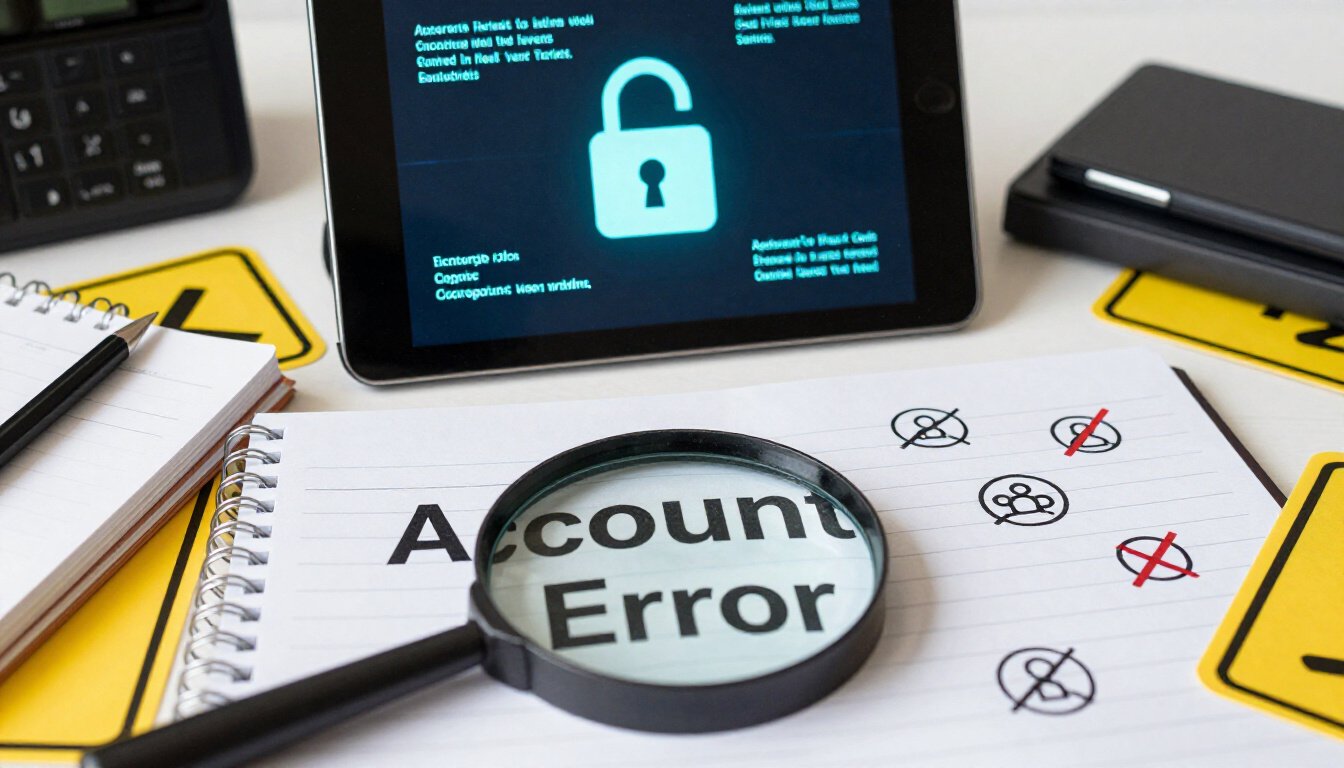
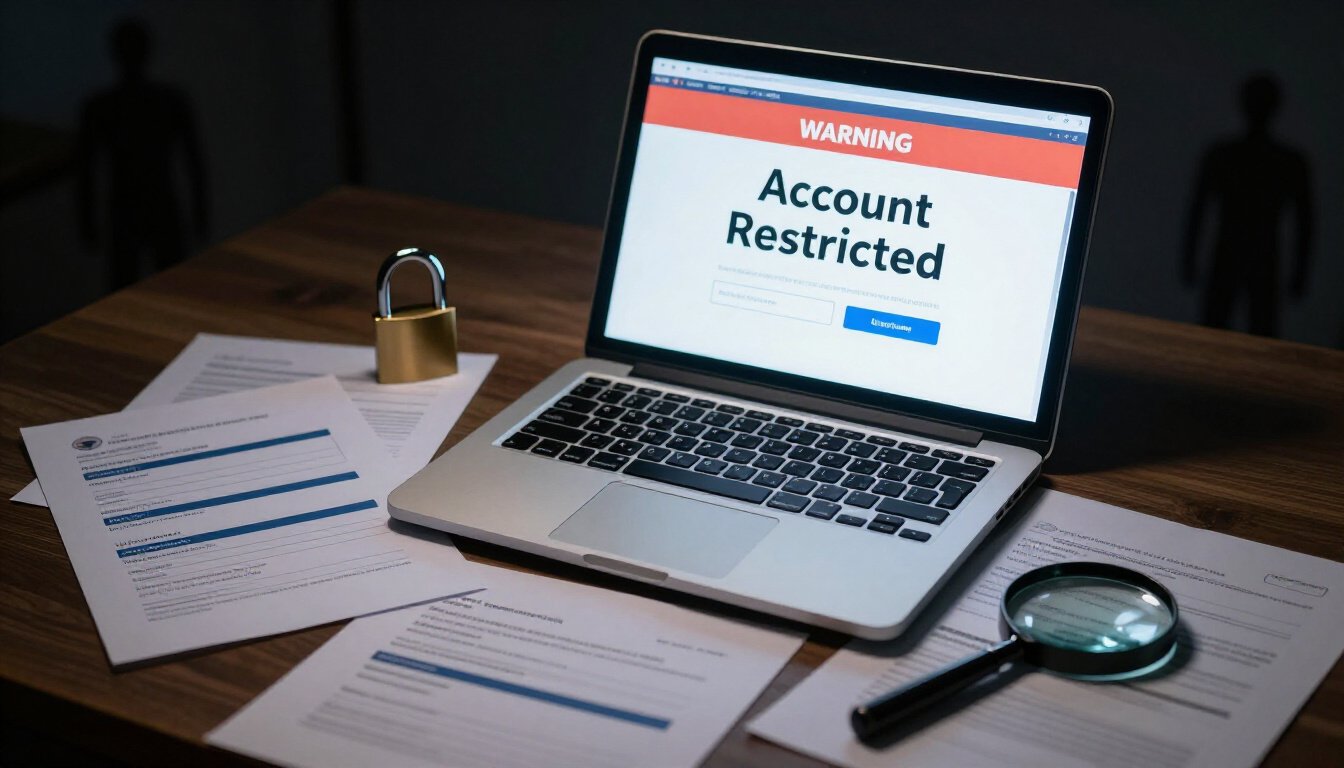
Ever had that gut-wrenching moment when you realize your account has been restricted? It’s like getting locked out of your own house. Frustrating, right? Account restrictions can be a real headache, and they often stem from common mistakes that many of us make without even realizing it. In this article, we’ll dive into these pitfalls, helping you steer clear of them and keep your accounts safe and accessible.
Let’s talk about passwords. We’ve all been guilty of using weak or easily guessable passwords at some point. Maybe it’s the name of your pet or your favorite sports team. While these might be easy to remember, they’re also easy to crack. Hackers are like digital burglars, and a weak password is akin to leaving your front door wide open. Always opt for a strong mix of letters, numbers, and symbols. Think of it as building a fortress around your digital life.
Sharing is caring, but not when it comes to your account details. Sharing your login information with friends or family might seem harmless, but it can lead to security breaches. Imagine lending someone your car and finding out they drove it into a ditch. Sharing account information can have similar consequences, leading to suspicious activity and potential restrictions.
We’ve all been tempted to check our accounts while sipping coffee at a café. But public Wi-Fi is like a playground for hackers. It’s unsecured, and accessing your accounts over these networks is like shouting your password across a crowded room. The risk of data interception is high, and it could lead to account restrictions. So, next time you’re out and about, think twice before connecting.
Feeling paranoid about public Wi-Fi? A VPN can be your best friend. It’s like a secret tunnel that keeps your data safe from prying eyes. Using a VPN adds an extra layer of security, ensuring that your online activities remain private. Consider it as putting on an invisibility cloak when browsing in public.
Want to add another layer of security? Enable two-factor authentication. It’s like having a double lock on your door. Even if someone gets hold of your password, they still need the second key to get in. This simple step can significantly reduce the risk of unauthorized access and account restrictions.
Phishing attempts are like digital scams, designed to trick you into revealing sensitive information. They often come in the form of emails or messages that seem legitimate but have hidden traps. Recognizing these attempts is crucial. Always double-check the sender’s address and avoid clicking on suspicious links. Remember, if it seems too good to be true, it probably is.
Security updates might seem like a nuisance, but ignoring them is a mistake. They’re like the maintenance checks for your car, keeping everything running smoothly. Failing to install updates leaves your accounts vulnerable to attacks, which can lead to restrictions. So, next time you see that update notification, don’t hit ‘remind me later.’
Outdated software is like a rusty lock. It’s easy for hackers to exploit, leading to account compromise. Keeping your software up-to-date ensures that these vulnerabilities are patched, protecting your accounts from potential restrictions.
To make life easier, consider enabling automatic updates. It’s like having a personal assistant who ensures everything is up-to-date without you lifting a finger. This way, your software remains secure, reducing the risk of account restrictions due to vulnerabilities.

Weak Passwords
In today’s digital world, using is like leaving your front door wide open. Anyone could just waltz right in. Many people make the mistake of choosing passwords that are easy to remember, but this often means they’re also easy to guess. Think about it: if your password is “123456” or “password,” it’s like hiding a key under the doormat. Not exactly secure, right?
Creating a strong password doesn’t have to be a headache. It’s more like crafting a secret code that only you can understand. A good password is long, complex, and unique. It’s a mix of letters, numbers, and special characters. But here’s the catch—don’t use personal information like your birthday or pet’s name. Hackers are pretty good at playing detective.
Still not convinced? Let’s break it down further. Consider this table that shows the time it takes to hack a password based on its complexity:
| Password Type | Time to Hack |
|---|---|
| Simple (e.g., “123456”) | Less than a second |
| Moderate (e.g., “password123”) | A few hours |
| Strong (e.g., “P@ssw0rd!2023”) | Several years |
See the difference? A strong password can keep your account safe for years. But here’s the kicker: you don’t have to remember it all by yourself. Password managers are like your personal vault. They store all your passwords securely and even generate strong ones for you. It’s like having a personal bodyguard for your digital life.
So, what’s the takeaway here? Treat your passwords like gold. They’re the keys to your kingdom. Make them strong, keep them safe, and change them regularly. Because in the end, keeping your account secure is not just about avoiding restrictions—it’s about protecting your digital life.
Sharing Account Information
This article explores frequent errors users make that result in account restrictions, aiming to help you avoid these pitfalls and maintain uninterrupted access to your accounts.
Let’s talk about something that seems harmless but can be a ticking time bomb for your online security—sharing your account information. You might think, “What’s the harm in giving my friend my Netflix password?” But trust me, it’s like leaving your front door open when you’re not home. Sharing account details can lead to a slippery slope of security issues, ultimately resulting in account restrictions.
Picture this: You’re at a café, sipping your favorite latte, and your friend asks for your login details to check something quickly. It seems innocent, right? But once your account information is out there, it’s like a snowball rolling down a hill, gathering speed and size. You can’t control where it goes or who it ends up with. Suddenly, you’re facing a barrage of suspicious activity alerts, and before you know it, your account is restricted.
Why does this happen? Well, sharing your account information can trigger security systems designed to protect you. When these systems detect unusual activity—like logins from different locations—they may restrict access to prevent unauthorized use. It’s like having a guard dog that barks at every unfamiliar face. While it’s there for your protection, it can also cause inconvenience if you’re not careful.
Moreover, let’s not forget about data breaches. When you share your information, you’re increasing the number of potential weak links. It’s like handing out copies of your house key. The more keys out there, the higher the risk of one falling into the wrong hands. And if someone with malicious intent gets a hold of your details, they could wreak havoc not just on your account, but potentially on your entire digital footprint.
So, what can you do to avoid this trap? First, think twice before sharing your login information. Consider using account sharing features that many services offer, which allow you to share access without compromising your security. For instance, Netflix allows you to create multiple profiles under one account. It’s like having separate rooms in a house—everyone has their space without needing a separate key.
In conclusion, while sharing is caring, when it comes to your account information, it’s better to be cautious. Protect your digital home as fiercely as you would your physical one. After all, once your account is restricted, regaining access can be as challenging as finding a needle in a haystack. So, keep your information close, and your accounts even closer.
Risks of Public Wi-Fi
Picture this: you’re sitting in a cozy café, sipping on your favorite latte, and you decide to check your email. You connect to the café’s free public Wi-Fi because, hey, it’s convenient and saves your data. But here’s the kicker—public Wi-Fi can be a digital minefield. It’s like leaving your front door wide open, inviting anyone to walk right in. The risks? They’re plenty.
First off, public Wi-Fi networks are often unsecured. This means that anyone with a bit of tech know-how can easily intercept the data you’re sending and receiving. Think of it as a nosy neighbor peeking through your windows. They can see everything you’re doing online, from the websites you visit to the passwords you type. Scary, right?
Then there’s the risk of man-in-the-middle attacks. Imagine a sneaky eavesdropper sitting between you and the website you’re trying to access. They intercept your data, alter it, and send it on its way—all without you knowing. It’s like someone tampering with your mail before it reaches you. This can lead to unauthorized access to your accounts and, eventually, account restrictions.
Moreover, some hackers set up fake Wi-Fi hotspots. These are traps designed to look like legitimate networks. You might connect to “Free Coffee Shop Wi-Fi,” thinking it’s safe, but in reality, it’s a hacker’s playground. Once connected, they can access your data with ease. It’s akin to stepping into a trapdoor disguised as a welcome mat.
So, how can you protect yourself? One way is by using a VPN (Virtual Private Network). A VPN acts like a secret tunnel for your data, encrypting it and keeping it safe from prying eyes. It’s like having a cloak of invisibility for your online activities. While it doesn’t make you completely invincible, it does add a significant layer of security.
In conclusion, while public Wi-Fi is convenient, it’s fraught with risks that can lead to account restrictions. Be mindful of the networks you connect to and consider using security measures like VPNs. After all, it’s better to be safe than sorry when it comes to your personal information.
Using VPNs
Using weak or easily guessable passwords is a common mistake that can lead to unauthorized access and account restrictions.
Sharing your account details with others can compromise your security and result in account restrictions due to suspicious activity.
Accessing accounts over unsecured public Wi-Fi networks increases the risk of data interception and potential account restrictions.
Ever felt like you’re walking a tightrope when using public Wi-Fi? It’s a real balancing act. But there’s a safety net that can catch you if you slip—a VPN. A Virtual Private Network, or VPN, acts like a secret tunnel for your data. When you connect to a VPN, it’s like putting on an invisibility cloak. Your data travels through this cloak, hidden from prying eyes. This means that even if you’re at your favorite coffee shop, sipping on a latte and browsing the web, your information stays safe.
Why does this matter? Well, without a VPN, using public Wi-Fi is like shouting your passwords across a crowded room. Anyone with the right tools can listen in. But with a VPN, your data is encrypted. It’s like speaking a secret language that only you and your VPN can understand. This reduces the risk of someone intercepting your data and helps prevent those pesky account restrictions.
Want more reasons to use a VPN? Here’s a quick rundown:
- **Privacy**: Keep your browsing habits to yourself.
- **Security**: Protect your data from hackers.
- **Access**: Bypass regional restrictions and access your accounts from anywhere.
Think of a VPN as your digital bodyguard. It’s there to protect you, ensuring your information stays yours. So, next time you’re out and about, remember to connect to a VPN. It’s like wearing a seatbelt. You might not always need it, but you’ll be glad it’s there when you do.
Enabling two-factor authentication adds an extra security measure to prevent unauthorized access to your accounts.
Understanding and identifying phishing attempts can protect you from divulging sensitive information that could lead to account restrictions.
Failing to install security updates can leave your accounts vulnerable to attacks, potentially resulting in account restrictions.
Outdated software can have vulnerabilities that hackers exploit, leading to account compromise and restrictions.
Enabling automatic updates ensures your software remains secure, reducing the risk of account restrictions due to vulnerabilities.
Two-Factor Authentication
This article explores frequent errors users make that result in account restrictions, aiming to help you avoid these pitfalls and maintain uninterrupted access to your accounts.
Using weak or easily guessable passwords is a common mistake that can lead to unauthorized access and account restrictions.
Sharing your account details with others can compromise your security and result in account restrictions due to suspicious activity.
Accessing accounts over unsecured public Wi-Fi networks increases the risk of data interception and potential account restrictions.
Utilizing VPNs can provide an additional layer of security when accessing accounts on public Wi-Fi.
Have you ever heard the saying, “Better safe than sorry”? Well, when it comes to securing your online accounts, this couldn’t be more true. That’s where Two-Factor Authentication (2FA) comes into play. It’s like having a security guard at the entrance of your digital world. Not only do you need your password to get in, but you also need a second piece of information. This could be something like a text message code, an email confirmation, or even a fingerprint scan.
Why is this important? Imagine leaving your front door wide open. Anyone could wander in, right? The same goes for your online accounts if you only rely on a password. With 2FA, even if someone guesses or steals your password, they’re still locked out without that second key. It’s a simple step that adds a robust layer of protection.
Let’s break it down with a quick example. You enter your password, and then you’re prompted to enter a code sent to your phone. This means even if someone has your password, they can’t access your account without your phone. It’s like having a secret handshake that only you and your account know.
Implementing 2FA is not just for tech gurus. It’s user-friendly and can be set up in minutes. Many platforms offer it, and it’s usually found in the security settings of your account. So, take a moment to enable on all your accounts. It’s a small step that makes a big difference in keeping your digital life secure.
Understanding and identifying phishing attempts can protect you from divulging sensitive information that could lead to account restrictions.
Failing to install security updates can leave your accounts vulnerable to attacks, potentially resulting in account restrictions.
Outdated software can have vulnerabilities that hackers exploit, leading to account compromise and restrictions.
Enabling automatic updates ensures your software remains secure, reducing the risk of account restrictions due to vulnerabilities.
Recognizing Phishing Attempts
Phishing attempts are like wolves in sheep’s clothing. They sneak into your inbox, masquerading as legitimate messages from trusted sources. Ever received an email from your bank asking you to verify your account details? That’s a classic phishing attempt. These cyber tricksters are banking on you clicking on that link without a second thought.
But here’s the thing: recognizing these attempts can save you from a world of trouble. First off, look at the email address. Does it seem off? Maybe a letter is missing, or there’s an extra character. That’s your first red flag. Legitimate companies don’t use sketchy email addresses.
Another dead giveaway? Urgency. Phishing emails love to create a sense of panic. “Your account will be suspended!” or “Immediate action required!” are common tactics. They want you to act fast, without thinking. But take a breath. Think it through. Would your bank really threaten you like that?
Now, let’s talk about links. Hover over them. Don’t click. Just hover. You’ll see the real URL pop up. If it doesn’t match the supposed sender, steer clear. It’s a trap! And attachments? Avoid them like the plague unless you’re absolutely sure of their origin.
Here’s a little table to help you remember these signs:
| Phishing Sign | What to Look For |
|---|---|
| Suspicious Email Address | Check for misspellings or unusual characters |
| Urgent Language | Be wary of threats or urgent requests |
| Unfamiliar Links | Hover to see the real URL before clicking |
| Unexpected Attachments | Don’t open unless you’re sure they’re safe |
Remember, it’s better to be safe than sorry. Recognizing phishing attempts isn’t just a skill; it’s a necessity in today’s digital age. Trust your instincts, stay informed, and you’ll keep those pesky phishers at bay. After all, your online safety is in your hands.
Ignoring Security Updates
This article explores frequent errors users make that result in account restrictions, aiming to help you avoid these pitfalls and maintain uninterrupted access to your accounts.
Let’s face it, we all have that little notification that pops up at the most inconvenient times. You know, the one that says it’s time to update your software. It’s tempting to hit “Remind me later” and continue with your day. But ignoring these security updates is like leaving your front door unlocked while you’re on vacation. It opens up your accounts to potential threats and, eventually, can lead to account restrictions.
When software developers release updates, they often include patches for vulnerabilities that hackers have discovered. If you skip these updates, you’re essentially leaving the welcome mat out for cybercriminals. They can exploit these vulnerabilities, gaining unauthorized access to your accounts. This can lead to all sorts of problems, including having your account restricted due to suspicious activity.
Think of security updates as a shield for your digital life. They are there to protect you and your accounts from the ever-evolving threats in the cyber world. By keeping your software up-to-date, you reduce the risk of falling victim to these threats. It’s like getting a flu shot to protect yourself during flu season. You wouldn’t skip that, would you?
For those who find it hard to remember to update manually, enabling automatic updates is a lifesaver. This feature ensures that your software is always current without you having to lift a finger. It’s like having a personal assistant who handles your digital security. It keeps you safe and sound, reducing the risk of account restrictions due to outdated software.
In conclusion, don’t underestimate the power of security updates. They are your first line of defense against potential account restrictions. So, the next time that update notification pops up, take a moment to appreciate its importance and hit “Update Now.” Trust me, your future self will thank you.
Software Vulnerabilities
Using weak or easily guessable passwords is a common mistake that can lead to unauthorized access and account restrictions.
Sharing your account details with others can compromise your security and result in account restrictions due to suspicious activity.
Accessing accounts over unsecured public Wi-Fi networks increases the risk of data interception and potential account restrictions.
Utilizing VPNs can provide an additional layer of security when accessing accounts on public Wi-Fi.
Enabling two-factor authentication adds an extra security measure to prevent unauthorized access to your accounts.
Understanding and identifying phishing attempts can protect you from divulging sensitive information that could lead to account restrictions.
Failing to install security updates can leave your accounts vulnerable to attacks, potentially resulting in account restrictions.
Software vulnerabilities are like leaving your front door wide open for hackers. It’s a critical issue that often goes unnoticed until it’s too late. Many people don’t realize that outdated software can be a ticking time bomb. These vulnerabilities are flaws or weaknesses in a program that cybercriminals exploit to gain unauthorized access to your accounts. Think of them as tiny cracks in a dam that, if not patched, can lead to a flood of problems.
When software developers discover these vulnerabilities, they usually release updates or patches to fix them. However, if you ignore these updates, you’re essentially inviting trouble. Hackers are always on the lookout for these flaws, and they have sophisticated tools to exploit them. Imagine a burglar with a master key to all the doors in a neighborhood. That’s what outdated software can do for hackers.
One way to protect yourself is by enabling automatic updates. This ensures that your software stays up-to-date without you having to lift a finger. It’s like having a security guard who never sleeps, constantly watching over your digital life. By keeping your software updated, you significantly reduce the risk of account restrictions and other security breaches.
Here’s a simple analogy: think of your software as a castle. The updates are the soldiers guarding it. Without regular updates, your castle is vulnerable to attacks. But with a well-maintained defense, you can keep intruders at bay and enjoy peace of mind.
Enabling automatic updates ensures your software remains secure, reducing the risk of account restrictions due to vulnerabilities.
Automatic Updates
This article explores frequent errors users make that result in account restrictions, aiming to help you avoid these pitfalls and maintain uninterrupted access to your accounts.
Using weak or easily guessable passwords is a common mistake that can lead to unauthorized access and account restrictions.
Sharing your account details with others can compromise your security and result in account restrictions due to suspicious activity.
Accessing accounts over unsecured public Wi-Fi networks increases the risk of data interception and potential account restrictions.
Utilizing VPNs can provide an additional layer of security when accessing accounts on public Wi-Fi.
Enabling two-factor authentication adds an extra security measure to prevent unauthorized access to your accounts.
Understanding and identifying phishing attempts can protect you from divulging sensitive information that could lead to account restrictions.
Failing to install security updates can leave your accounts vulnerable to attacks, potentially resulting in account restrictions.
Outdated software can have vulnerabilities that hackers exploit, leading to account compromise and restrictions.
Let’s face it. Life gets busy. Who has time to manually update every app and software on their devices? That’s where come in handy. Imagine having a personal assistant who ensures everything is up-to-date without you lifting a finger. Sounds great, right? Automatic updates are like that trusty assistant, keeping your software secure and running smoothly. They help patch up security holes that hackers are just itching to exploit. By enabling automatic updates, you significantly reduce the risk of encountering account restrictions due to vulnerabilities. It’s like having a shield against digital threats. The best part? You set it once and forget it. Your software keeps itself updated, leaving you free to focus on more important things, like binge-watching your favorite series or finally beating that high score in your favorite game. So, why not let technology do the heavy lifting? Enable automatic updates and enjoy peace of mind knowing your accounts are safer.
Frequently Asked Questions (The title must be written in English (US))
- Why is using a weak password risky?
Using a weak password is like leaving your front door unlocked. It’s an open invitation for unauthorized access. Hackers can easily guess simple passwords, leading to potential account restrictions as a security measure. Always aim for a strong, unique password to keep your account safe.
- Is sharing my account information really that dangerous?
Absolutely! Sharing your account details is akin to handing over the keys to your kingdom. It exposes you to security risks and can result in account restrictions if suspicious activity is detected. Keep your information private to maintain control over your accounts.
- What are the dangers of using public Wi-Fi?
Public Wi-Fi is a double-edged sword. While convenient, it can be a hotspot for hackers looking to intercept your data. Accessing accounts over unsecured networks can lead to account restrictions due to suspicious logins. Consider using a VPN for added security.
- How does two-factor authentication enhance security?
Think of two-factor authentication as an extra lock on your door. It adds a second layer of security, making it harder for unauthorized users to access your accounts. Even if someone gets hold of your password, they won’t be able to log in without the second authentication factor.
- What should I do to recognize phishing attempts?
Phishing attempts are like wolves in sheep’s clothing. They often disguise themselves as legitimate requests for information. Always verify the source before clicking on links or providing sensitive data. Recognizing these attempts is crucial to preventing account restrictions.
- Why are security updates important?
Security updates are the unsung heroes of your digital life. Ignoring them is like leaving a window open for hackers. Updates patch vulnerabilities that could be exploited, reducing the risk of account restrictions. Enable automatic updates to stay protected.
- How do software vulnerabilities lead to account restrictions?
Outdated software is a playground for hackers. Vulnerabilities in old software can be exploited to compromise your account. When this happens, restrictions may be applied to protect your data. Keeping your software up to date is crucial to avoid these pitfalls.