Have you ever logged into your PayPal account only to find that some features are suddenly off-limits? It’s like walking into your favorite coffee shop and discovering they’ve run out of your favorite brew. Frustrating, right? This is what happens when your PayPal account is limited. But why does this happen, and what can you do about it?
When PayPal places a limitation on your account, it means that certain functionalities are temporarily restricted. This could impact your ability to send money, receive payments, or even withdraw funds. Think of it as a temporary pause that PayPal puts on your account to ensure everything is in order. But don’t worry, it’s not the end of the world. Understanding why these limitations occur and how to fix them can make the process much smoother.
So, why does PayPal limit accounts in the first place? Well, it’s all about security and compliance. PayPal takes the safety of its users seriously. If they notice any unusual activity, such as a sudden spike in transactions or access from a different location, they might limit your account to prevent potential fraud. It’s like a security guard stopping you at the door to check your ID. Annoying, yes, but necessary.
Another reason could be unresolved disputes or chargebacks. If there are ongoing issues with your transactions, PayPal might step in to ensure everything is resolved before lifting the limitations. It’s a bit like a school principal stepping in to mediate a playground dispute. Necessary to keep things fair and square.
Now, let’s talk about the consequences. With a limited account, your financial activities can hit a snag. Imagine trying to pay for an online purchase, only to find out you can’t because your account is limited. Or needing to send money to a friend in a pinch, but being unable to do so. These limitations can feel like being stuck in a traffic jam when you’re already late for an appointment. Frustrating and inconvenient.
The good news? You can resolve these limitations. Usually, it involves verifying your identity or providing some documentation. PayPal might ask for things like a copy of your ID, proof of address, or details about recent transactions. It’s like showing your boarding pass at the airport. A small hassle, but it gets you where you need to go.
To prevent future limitations, it’s wise to keep your account information up to date and monitor your transactions regularly. Make sure your contact details are accurate, and if you’re planning any unusual activity, like a large transaction, give PayPal a heads-up. It’s a bit like letting your bank know before you travel abroad. A simple step that can save a lot of headaches.
If you find yourself stuck, don’t hesitate to reach out to PayPal Support. They’re like the friendly customer service reps who help you navigate through the maze of options. They can guide you through the process and get your account back on track.
Finally, understanding PayPal’s User Agreement can be a game-changer. Familiarizing yourself with the terms and conditions helps you know your rights and responsibilities. It’s like reading the rulebook before playing a game. You know what to expect, and you can avoid unnecessary pitfalls.
In conclusion, while having a limited account on PayPal can feel like hitting a roadblock, understanding the reasons behind it and knowing how to resolve it can turn that roadblock into a mere speed bump. So, the next time you encounter an account limitation, take a deep breath, follow the steps, and you’ll be back on track in no time.
Understanding Account Limitations
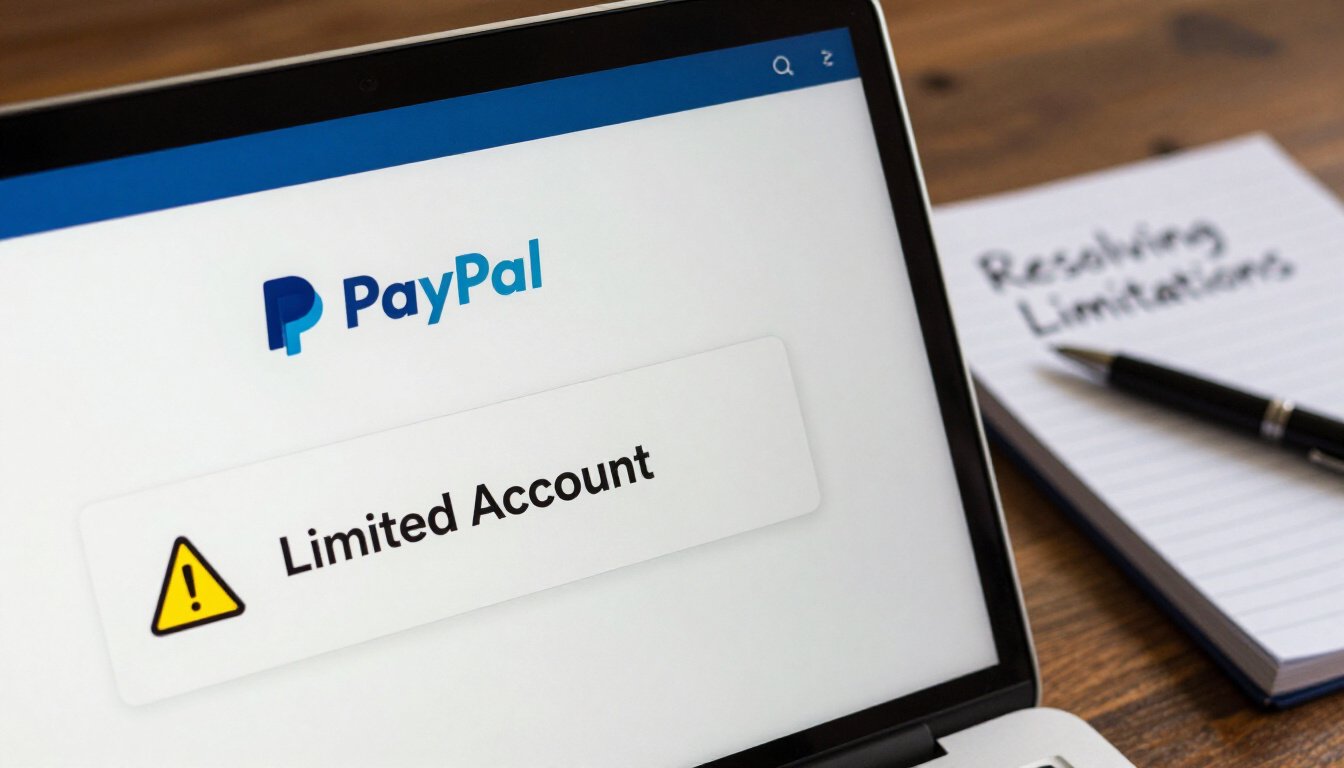
Picture this: you’re all set to make an online purchase, but suddenly, you find your PayPal account has been limited. Frustrating, right? But don’t worry, you’re not alone. Many users face this situation, and understanding why it happens is the first step to resolving it. Account limitations on PayPal can restrict your access to certain features, like sending or withdrawing money. It’s like hitting a roadblock in the middle of a smooth highway. But why does it happen?
Account limitations often arise due to security concerns or unusual account activity. Think of it as PayPal’s way of ensuring your financial safety. Imagine if you noticed strange activity on your bank account – you’d want it investigated, right? PayPal does the same to protect you. However, these limitations can be a hassle if you’re not prepared. They might feel like an unexpected detour on your journey to seamless transactions.
The key to overcoming this is understanding the root causes. It could be anything from a sudden spike in transactions to logging in from a new location. Sometimes, it’s triggered by disputes or chargebacks. Recognizing these triggers can help you avoid future limitations. It’s like knowing the traffic rules to prevent getting pulled over.
So, how do you navigate this? Start by checking your email for any notifications from PayPal. They usually send a heads-up if something’s amiss. Then, log into your account and follow the steps provided. It might involve verifying your identity or providing additional documents. Think of it as showing your ID at a security checkpoint. It’s a small step that ensures your journey continues smoothly.
In conclusion, understanding account limitations is crucial for resolving them effectively. By knowing the causes and taking proactive steps, you can prevent future occurrences. It’s all about staying informed and vigilant, ensuring your PayPal experience remains as seamless as possible.
Common Causes of Account Limitations
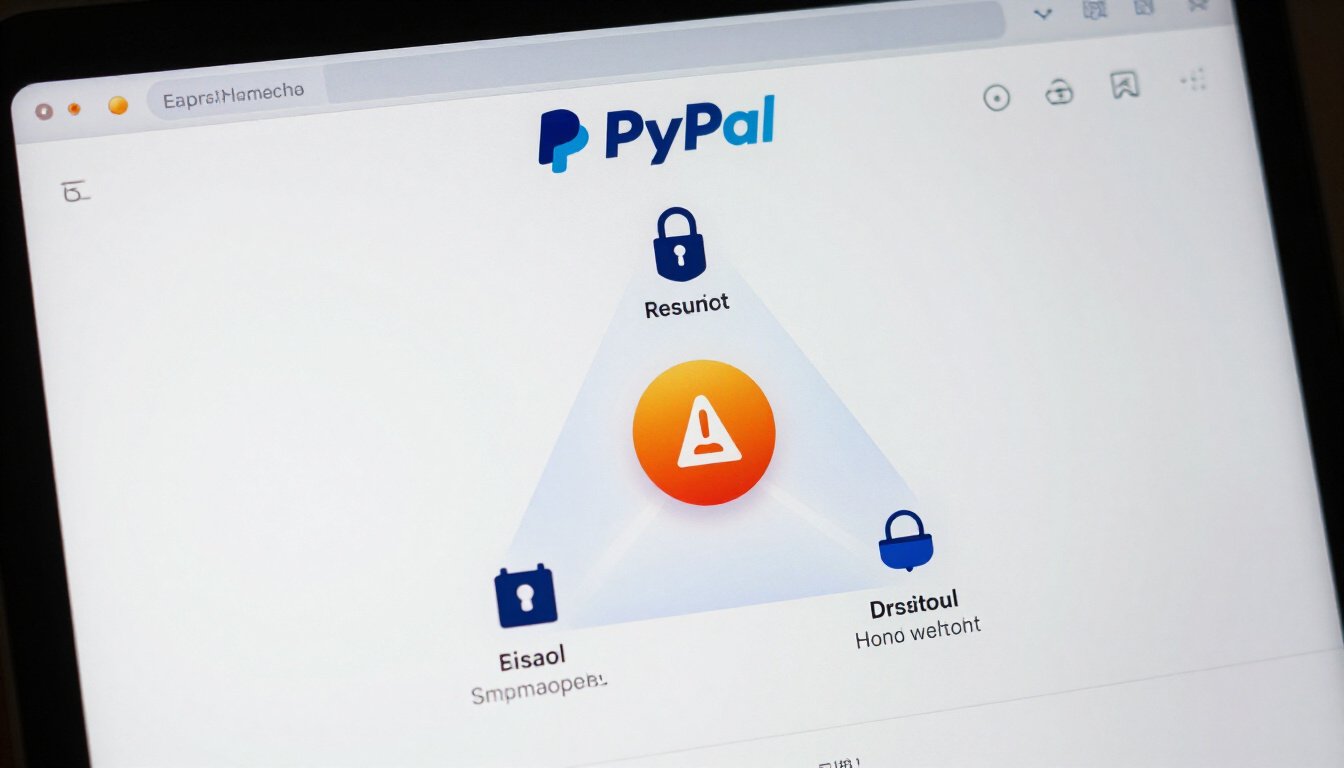
So, you’ve logged into your PayPal account, and bam! You find out your account is limited. What gives? Well, let’s dive into the nitty-gritty of why this might happen. Understanding the common causes is like having a roadmap to avoid these pesky limitations. Think of it as knowing where the potholes are on a bumpy road. It saves you a lot of trouble.
One of the most frequent triggers for account limitations is unusual account activity. Imagine you’re a detective, and something just doesn’t add up. PayPal works in a similar way. If they detect transactions that are out of the ordinary, they might put a pause on your account. This could be due to a sudden spike in transactions or accessing your account from a different location. It’s like when your bank calls you to verify a transaction. They just want to make sure it’s really you.
Security concerns are another biggie. PayPal is all about keeping your money safe, like a digital Fort Knox. If there’s even a whiff of your account being compromised, they’ll limit it to prevent any unauthorized access. This might be due to attempts to log in with incorrect passwords too many times or if your account information has been leaked somewhere. It’s their way of saying, “Hold on, let’s make sure everything’s okay here.”
Then there are disputes and chargebacks. If you’re involved in a lot of these, PayPal might see it as a red flag. Think of it like a referee blowing the whistle in a game. They want to pause and review the play. If you’re frequently disputing transactions or if buyers are claiming they didn’t receive their items, PayPal might limit your account to investigate further.
Here’s a quick snapshot of these causes:
| Cause | Description |
|---|---|
| Unusual Activity | Sudden spikes in transactions or accessing from new locations. |
| Security Concerns | Possible account compromise or leaked information. |
| Disputes and Chargebacks | Frequent disputes or claims of undelivered items. |
By understanding these causes, you can take proactive steps to avoid them. It’s like learning to drive defensively. You can steer clear of trouble before it happens. So, keep an eye on your account activity and make sure everything looks as it should. And remember, PayPal is just trying to keep your funds safe and sound. It’s better to be safe than sorry, right?
Impact of Account Limitations
Imagine waking up one day, ready to send money to a friend or pay for that must-have item online, only to find out your PayPal account is limited. Frustrating, right? Account limitations can feel like you’re trying to walk through a wall. They can severely restrict your ability to send, receive, or even withdraw money. Let’s dive into what this means for you and how it can shake up your financial activities.
First off, a limited account can halt your ability to send money. Whether you’re trying to repay a friend or make a purchase, hitting a brick wall can be a real headache. It’s like having a car with no gas—you’re not going anywhere until you fix the problem. This restriction can be especially troublesome if you’re running a business and need to pay suppliers or employees.
Receiving money is another area where limitations can hit hard. Imagine your customer just paid for their order, but you can’t access the funds. It’s like having a locked treasure chest with no key. This can disrupt cash flow, causing stress and potential delays in fulfilling orders. If you’re relying on these funds for personal expenses, it can feel like you’re stuck in quicksand.
Withdrawing money is equally crucial. Having your funds tied up can be a major inconvenience. It’s like having a paycheck you can’t cash. This can impact your ability to pay bills, rent, or even buy groceries. Financial independence feels miles away when your resources are out of reach.
To put it simply, account limitations can put a stranglehold on your financial freedom. They can disrupt daily activities and create a ripple effect of inconvenience. Understanding these impacts can help you navigate the rough waters and find a way to shore. So, if you find yourself facing these limitations, it’s crucial to act swiftly and take the necessary steps to resolve them. Remember, the sooner you address the issue, the sooner you can regain control of your financial life.
Steps to Resolve Account Limitations
Getting your PayPal account back on track when it’s been limited can feel like a daunting task. But don’t worry; it’s not as complicated as it seems. Think of it like a puzzle. Once you know the pieces, you can fit them together to see the whole picture. The first step in resolving account limitations is understanding why your account was restricted in the first place. Sometimes, it’s due to unusual activity or a simple security precaution. Whatever the reason, knowing the cause can guide you in taking the right steps to fix it.
So, where do you start? Begin by logging into your PayPal account. You’ll usually see a notification or message indicating what needs to be done. PayPal often requires you to verify your identity. This might mean uploading a copy of your ID or confirming your address. It’s like showing your driver’s license to prove who you are. Without this verification, PayPal can’t be sure you’re the rightful owner of the account.
Once you’ve tackled the identity verification, you might need to provide additional documentation. This could include bank statements or proof of recent transactions. It’s like when your teacher asks for homework to prove you’ve done the work. Providing these documents helps PayPal ensure everything is above board. They want to make sure your account is secure and that no funny business is going on.
After submitting the necessary documents, patience is key. PayPal will review your case, and this can take a few days. It’s like waiting for a cake to bake; you can’t rush the process. While waiting, keep an eye on your email for any updates. PayPal will notify you once your account is fully restored or if they need more information.
Sometimes, you might find yourself stuck or unsure about what to do next. In such cases, reaching out to PayPal Support can be a lifesaver. They are there to help you navigate through the process and answer any questions you might have. Think of them as your guide in this journey to reclaim your account’s full functionality.
In summary, resolving account limitations on PayPal involves a few key steps: understanding the cause, verifying your identity, providing necessary documentation, and maintaining communication with PayPal. By following these steps, you’ll be well on your way to restoring your account and getting back to business as usual.
Preventing Future Limitations
Imagine waking up one morning, ready to tackle your day, only to find out your PayPal account is limited. Frustrating, right? Well, the good news is that you can take proactive steps to prevent this from happening. Let’s dive into some practical tips to keep your account in the clear.
First off, keep your account information accurate and up to date. This might sound like a no-brainer, but it’s surprising how often people overlook this simple step. Make sure your personal details, such as your address and phone number, are correct. This helps PayPal verify your identity quickly if there’s ever a hiccup.
Next, monitor your account activity regularly. Think of it as checking your pulse to ensure everything’s running smoothly. By keeping an eye on your transactions, you can spot any unusual activity before it becomes a problem. If something seems off, don’t hesitate to contact PayPal support.
Another crucial tip is to avoid logging into your PayPal account from public Wi-Fi networks. It’s like leaving your front door wide open for anyone to walk in. Public networks are often insecure, making it easier for hackers to access your information. Stick to secure, private connections whenever possible.
Also, be mindful of the transactions you engage in. Frequent large transactions or dealing with unfamiliar vendors can raise red flags with PayPal’s security system. If you need to conduct a large transaction, consider informing PayPal in advance. This can help prevent any unnecessary account limitations.
Lastly, familiarize yourself with PayPal’s User Agreement. It’s not exactly bedtime reading, but understanding the rules can save you a lot of headaches. Knowing your rights and responsibilities helps you stay compliant and reduces the risk of encountering limitations.
By adopting these best practices, you can significantly reduce the risk of facing account limitations. It’s like having an umbrella on a rainy day—better safe than sorry! Stay proactive, and you’ll enjoy a seamless experience with PayPal.
Contacting PayPal Support
This article explores the implications of having a limited account on PayPal, including causes, consequences, and solutions to restore full functionality to your account.
So, your PayPal account has hit a snag and you’re not sure what to do next? Don’t worry, you’re not alone. Many users find themselves in a similar situation, wondering how to navigate the choppy waters of account limitations. The good news is that PayPal Support is there to help you steer back on course. But how do you contact them effectively?
First things first, visiting the PayPal Help Center should be your initial step. This online resource is a treasure trove of information, covering a wide range of topics. Whether it’s understanding why your account is limited or how to lift those limitations, the Help Center is your go-to guide.
If you’re still in the dark after browsing through the Help Center, it might be time to reach out directly. You can contact PayPal Support through several channels:
- Phone Support: Sometimes, nothing beats a good old-fashioned phone call. You can reach out to PayPal’s customer service by dialing their support number. Keep your account details handy for a smoother conversation.
- Email: If you prefer written communication, sending an email can be a great option. Be sure to include all relevant details to avoid back-and-forth exchanges.
- Message Center: PayPal’s Message Center allows you to communicate directly with their support team through your account. It’s like having a direct line without the wait time.
Now, let’s talk about what to expect when you contact PayPal Support. Be prepared to verify your identity. This might involve answering security questions or providing identification documents. It’s all part of ensuring your account’s security, so don’t be surprised if they ask for more information.
Patience is key here. Sometimes, resolving issues can take time, especially if they require a thorough investigation. Remember, the support team is there to help, but they’re also juggling numerous requests. So, while it might feel like an eternity, know that they’re working to get you back on track.
One personal tip? Keep a record of your communications. Whether it’s jotting down the names of representatives you spoke with or saving email exchanges, having a paper trail can be invaluable if you need to follow up.
In conclusion, contacting PayPal Support doesn’t have to be a daunting task. By using the right channels and being prepared with the necessary information, you can navigate the process with ease. Remember, the goal is to restore your account’s functionality, and with a little patience, you’ll be back to smooth sailing in no time.
Understanding PayPal’s User Agreement
Ever tried to assemble furniture without reading the instructions? It’s frustrating, right? Well, navigating PayPal without understanding their User Agreement can feel just as daunting. The User Agreement is like the rulebook for your PayPal account. It’s packed with all the do’s and don’ts, the rights and responsibilities, and the fine print that nobody really wants to read but everyone should.
Why is it important? Imagine buying a ticket to a concert but not knowing the venue rules. You might end up in the wrong section or worse, get kicked out for breaking a rule you didn’t know existed. Similarly, not knowing PayPal’s terms can lead to unexpected account limitations. These limitations can be a real headache, restricting your ability to send, receive, or even access your funds. It’s like having a wallet with a lock and no key.
So, what’s in this User Agreement that makes it so crucial? It covers a wide range of topics. From how transactions work to the fees involved, and even how disputes are handled. It’s like a treasure map guiding you through the labyrinth of online payments. But instead of gold, it leads you to a smooth, hassle-free PayPal experience.
Let’s break it down a bit. The agreement details how you should use your account, what happens if there’s suspicious activity, and how PayPal protects your information. It’s like having a safety net that ensures you’re not falling into any traps. Plus, it outlines how you can close your account if you ever decide to part ways with PayPal.
Now, I know what you’re thinking. “This sounds boring!” But trust me, spending a few minutes to skim through the User Agreement can save you from hours of frustration later. It’s like reading a map before a road trip. You wouldn’t want to end up lost in the middle of nowhere, right?
To make it easier, let’s look at a simple table highlighting some key sections you might want to focus on:
| Section | Key Points |
|---|---|
| Account Setup | Steps to create and verify your account. |
| Transaction Fees | Explanation of fees for different types of transactions. |
| Security Measures | Details on how PayPal protects your account. |
| Dispute Resolution | Process for handling transaction disputes. |
Understanding these sections can give you a head start in managing your PayPal account effectively. It’s like having a cheat sheet for an exam. You might not remember everything, but knowing where to find the answers is half the battle.
In conclusion, the User Agreement isn’t just a bunch of legal jargon. It’s a valuable resource that can help you avoid pitfalls and make the most out of your PayPal experience. So, next time you’re sipping your morning coffee, why not give it a quick read? You might just thank yourself later.
Alternative Payment Solutions
Ever felt like you’re stuck in a financial maze with your PayPal account limitations? It can be a real headache. But don’t worry, there are plenty of other paths to explore. Let’s dive into some that can keep your transactions flowing smoothly.
First off, let’s talk about credit and debit cards. They’re the classic go-to for many of us. Most online platforms accept them, and they’re a straightforward way to manage your payments. Plus, they come with their own set of security features, like fraud protection. It’s like having a trusty sidekick in your wallet.
Then, there’s the world of digital wallets. Think of them as your virtual pocket. Options like Google Pay, Apple Pay, and Samsung Pay are gaining popularity. They offer a seamless payment experience, often with just a tap or a click. And the best part? They can be linked to your existing bank account or cards, making the transition a breeze.
If you’re into the latest tech trends, you might want to explore cryptocurrency as a payment option. Bitcoin, Ethereum, and other digital currencies are making waves. While they can be a bit volatile, some see them as the future of money. Just remember, it’s like surfing; it can be thrilling but requires balance and caution.
For those who prefer a more traditional route, there’s always the trusty bank transfer. It’s a reliable way to send and receive money, especially for larger transactions. While it might not be as instant as other methods, it’s like sending a letter—sometimes, the old ways have their charm.
Let’s not forget about online payment platforms like Skrill and Stripe. They’re designed to cater to businesses and individuals alike, providing flexible solutions for all your payment needs. It’s like having a Swiss Army knife for your finances.
Here’s a quick comparison to help you decide:
| Payment Method | Pros | Cons |
|---|---|---|
| Credit/Debit Cards | Widely accepted, fraud protection | Potential for high fees |
| Digital Wallets | Convenient, secure | Requires compatible devices |
| Cryptocurrency | Innovative, potential growth | Volatile, less accepted |
| Bank Transfer | Reliable, secure | Slower processing time |
| Online Payment Platforms | Flexible, business-friendly | May have transaction fees |
In conclusion, while PayPal is a popular choice, it’s not the only player in the game. Exploring these can provide you with the flexibility and security you need. It’s all about finding the right fit for your financial lifestyle. So, why not take a leap and try something new? After all, variety is the spice of life!
Frequently Asked Questions (The title must be written in English (US))
- What does it mean when my PayPal account is limited?
When your PayPal account is limited, it means that certain features of your account are restricted. This can affect your ability to send, receive, or withdraw money. Limitations are usually put in place to protect both the user and PayPal from potential fraud or security issues.
- Why would PayPal limit my account?
There are several reasons why PayPal might limit your account. Common causes include unusual account activity, security concerns, or unresolved disputes. It’s like when your favorite coffee shop suddenly stops serving your go-to drink because they’re out of stock. Recognizing these causes can help you avoid future limitations.
- How can I resolve my account limitations on PayPal?
To resolve account limitations, you’ll need to verify your identity and provide any necessary documentation. It’s like proving you’re the rightful owner of a lost wallet before someone hands it back to you. Follow the steps outlined by PayPal to regain full access to your account.
- Can I prevent my PayPal account from being limited in the future?
Yes, you can prevent future limitations by maintaining accurate account information and regularly monitoring your account activities. Think of it as keeping your car in good condition to prevent breakdowns. Staying proactive can help you steer clear of account limitations.
- What should I do if I can’t resolve the limitations on my own?
If you’re having trouble resolving account limitations, contacting PayPal Support is your best bet. They can provide additional guidance and assistance, much like a helpful friend who knows all the shortcuts to get you back on track.
- How important is it to understand PayPal’s User Agreement?
Understanding PayPal’s User Agreement is crucial as it outlines your rights and responsibilities. Think of it as the rulebook for a game; knowing the rules helps you play better and avoid penalties, such as account limitations.
- Are there alternative payment solutions if I frequently experience limitations?
Yes, exploring alternative payment solutions can be beneficial if you often face account limitations. It’s like having a backup plan for when your primary option isn’t available, ensuring you can still complete your financial transactions smoothly.