
Picture this: You’re all set to dive into your work, but suddenly, you find yourself locked out of your Microsoft account. Frustrating, right? Don’t worry, you’re not alone. Many people face this issue, and the good news is there’s a way out. This guide is your lifeline, providing step-by-step instructions to help you regain access efficiently and securely. Let’s dive in and ensure you can continue using those essential Microsoft services without any hiccups.
Before we tackle the solution, it’s crucial to understand why your account might get locked in the first place. Common reasons include multiple failed login attempts, suspicious activity, or outdated security information. By knowing these reasons, you can prevent future lockouts and maintain uninterrupted access. Think of it like understanding the rules of a game before you start playing. It just makes everything smoother.
Okay, so your account is locked. What’s the first thing you do? Panic? No way! Start by checking for common errors. Ensure you’re entering the correct login details—double-check that Caps Lock isn’t on. Sometimes, it’s the simplest things that trip us up. If everything seems correct and you’re still locked out, it’s time to move on to the next steps.
Next up is the Microsoft account recovery form. This tool is your best friend in situations like these. Fill out the form with as much accurate information as possible. The more precise you are, the smoother the recovery process will be. Think of it like filling out a detailed map to guide you back to your account.
Once you’ve submitted the recovery form, you’ll likely receive a verification code. This code is your golden ticket to unlocking your account. Make sure you have access to the email or phone number linked to your account. Enter the code promptly and accurately to regain access. It’s like having the right key for a locked door.
After you’ve unlocked your account, it’s time for a fresh start with a new password. Choose a strong, unique password that you haven’t used before. Avoid common passwords like “123456” or “password.” Think of your password as the fortress protecting your digital kingdom. Make it robust and unbreakable.
Consider enabling two-step verification for added security. This feature acts like a double lock on your account, making it harder for unauthorized users to gain access. It’s a simple yet powerful way to enhance your account security and prevent future lockouts.
If all else fails, don’t hesitate to contact Microsoft support for additional help. They’re there to assist you, and sometimes a human touch is all you need to resolve the issue. It’s like calling a friend when you’re stuck in a tough spot—they’re ready to lend a hand.
Prevention is better than cure, right? Keep your security information updated and practice good account management. Regularly review your account settings and make necessary updates. It’s like maintaining your car to prevent breakdowns—regular check-ups keep everything running smoothly.
Stay vigilant against phishing attempts that could lead to unauthorized access. Be cautious of suspicious emails or messages asking for your account details. If something feels off, it probably is. Trust your instincts and protect your account like it’s your treasure chest.
Make it a habit to update your security information regularly. This ensures a smoother recovery process if you ever find yourself locked out again. Think of it as keeping your emergency contacts up to date—it makes everything easier in a pinch.
Lastly, consider using the Microsoft Authenticator app for enhanced security and easier account recovery. This app adds an extra layer of protection, making your account more secure. It’s like having a personal security guard for your digital life.
Understanding Account Lockout Reasons
Getting locked out of your Microsoft account is like being locked out of your own house. Frustrating, right? But don’t worry! Understanding why these lockouts happen is the first step in preventing them. The reasons can be as varied as the colors in a rainbow. Sometimes, it’s a simple mistake like entering the wrong password too many times. Other times, it could be due to suspicious activity detected by Microsoft. You know, like when you try to log in from a new location or device and they think, “Hey, is this really you?”
Now, let’s dive a bit deeper. One common reason for account lockouts is multiple failed login attempts. Picture this: you’re in a hurry, typing faster than your brain can process, and bam! Wrong password. Do it enough times, and Microsoft steps in to protect your account. Another culprit could be unusual sign-in activity. Imagine logging in from a café in Paris when you usually log in from New York. Microsoft might raise an eyebrow and lock your account just to be safe.
Then there’s the issue of outdated security information. It’s like having an old phone number on your emergency contact list. If Microsoft can’t reach you to verify your identity, they might lock your account until you update your details. Also, let’s not forget about potential security breaches. If someone tries to hack into your account, Microsoft will lock it to prevent unauthorized access.
To help you visualize these reasons, here’s a simple table:
| Reason | Description |
|---|---|
| Multiple Failed Logins | Entering the wrong password repeatedly can trigger a lockout. |
| Unusual Sign-In Activity | Logging in from a new location or device might cause a lockout. |
| Outdated Security Info | Not updating your security details can lead to account issues. |
| Potential Security Breaches | Suspicious activities might prompt Microsoft to lock your account. |
Understanding these reasons isn’t just about fixing the problem; it’s about preventing it in the future. By keeping your security information up to date, being mindful of where and how you log in, and ensuring your passwords are correct, you can minimize the chances of getting locked out. Remember, an ounce of prevention is worth a pound of cure. So, stay informed and keep your account secure!
Initial Troubleshooting Steps
Picture this: You’re trying to log into your Microsoft account, and suddenly, you’re hit with a message saying your account is locked. Frustrating, right? But don’t worry, you’re not alone in this. Many people face this issue, and the good news is that there are some simple steps you can take to troubleshoot this problem right off the bat.
First things first, double-check your login credentials. It’s easy to mistype a password or email address, especially if you’re in a hurry. Make sure that Caps Lock isn’t on, and that you’re entering the correct email associated with your Microsoft account. You’d be surprised how often this simple step fixes the issue!
Next, consider the possibility of common errors that might have triggered the lockout. For instance, entering the wrong password multiple times can cause your account to get temporarily locked for security reasons. If this is the case, give it a little time before trying again. Patience can be a virtue here.
It’s also worth checking your internet connection. A weak or unstable connection might interfere with the login process. Try resetting your router or switching to a different network. Sometimes, the solution is as simple as moving closer to your Wi-Fi source.
If you’ve recently changed your password, make sure you’re using the most recent one. It’s easy to forget a change, especially if you use multiple devices. Speaking of devices, ensure you’re trying to log in from a trusted device. Using unfamiliar devices can sometimes trigger security measures that lead to account lockouts.
Lastly, if you’ve enabled two-step verification, ensure you have access to your verification methods. Whether it’s a phone number or an alternative email, having these handy can make a world of difference in regaining access quickly.
By taking these initial steps, you can often resolve the issue without further assistance. However, if the problem persists, don’t fret. There are more advanced options available to help you regain access to your Microsoft account. Stay tuned for more tips in the following sections!
Using Microsoft Account Recovery Form
Ever found yourself locked out of your Microsoft account and felt like you’re staring at a locked door without a key? You’re not alone. The Microsoft Account Recovery Form is your trusty toolkit in this situation. It’s designed to help you regain access without breaking a sweat. But how do you navigate this form effectively? Let’s dive in.
First things first, head over to the Microsoft Account Recovery Form. This is where the magic happens. But before you start filling out the form, make sure you have all your ducks in a row. You’ll need some essential information handy:
- Your Microsoft account email address
- Any alternate email addresses or phone numbers linked to your account
- Recent passwords you’ve used
Having this information ready will make the process smoother. Now, when you begin filling out the form, accuracy is key. Think of it like a puzzle where every piece needs to fit perfectly. Enter your details carefully, and double-check them before submitting. The more precise your information, the better your chances of a successful recovery.
Once you’ve submitted the form, patience becomes your best friend. Microsoft will review your information to verify your identity. It’s like waiting for a reply to a handwritten letter in the digital age. While waiting, keep an eye on your email for any updates or requests for additional information from Microsoft.
But what if you hit a snag? If the recovery form doesn’t do the trick, don’t lose hope. There are other options to explore. Consider contacting Microsoft support for a helping hand. They’re like your tech-savvy friend who knows all the shortcuts.
In summary, the Microsoft Account Recovery Form is your first line of defense when locked out of your account. By preparing the necessary information, filling out the form accurately, and keeping a patient attitude, you’ll be back in your account in no time. Remember, it’s all about staying calm and following the process step by step.
Verification Code Process
Imagine this: you’re trying to log into your Microsoft account, but you’re met with an unexpected roadblock. Your account is locked, and panic starts to set in. Don’t worry, though! The verification code process is here to save the day. It’s like a safety net designed to ensure that only you can access your account, even when things go awry.
So, how does it work? When you attempt to log in and your account is locked, Microsoft will send a verification code to the contact method you’ve previously set up. This could be your email or phone number. It’s a bit like receiving a secret key to unlock a treasure chest. Without it, you’re stuck outside, but with it, you’re back in business!
Here’s a quick rundown of the steps involved:
- When prompted, choose to receive the verification code via your preferred method—email or SMS.
- Check your inbox or messages for the code. It usually arrives within seconds, but sometimes it might take a minute or two.
- Enter the code on the Microsoft login page. This confirms your identity and lets Microsoft know it’s really you.
- Once verified, you’ll regain access to your account, and you can breathe a sigh of relief.
Now, you might wonder, why go through all this hassle? Well, it’s all about securing your account. In a world where digital threats are as common as morning coffee, these extra steps ensure that your personal information stays safe. Think of it as a sturdy lock on your front door, keeping unwanted guests out.
If you don’t receive the code, double-check that your contact information is up to date. Sometimes, an old phone number or email address can be the culprit. And if you’re still having trouble, don’t hesitate to reach out to Microsoft support for a helping hand. They’re like the friendly neighbor who always has your back.
In essence, the verification code process is your ally in maintaining account security. It’s a simple yet effective way to ensure that your digital life remains uninterrupted, allowing you to focus on what truly matters—enjoying the services and benefits that Microsoft has to offer.
Resetting Your Password
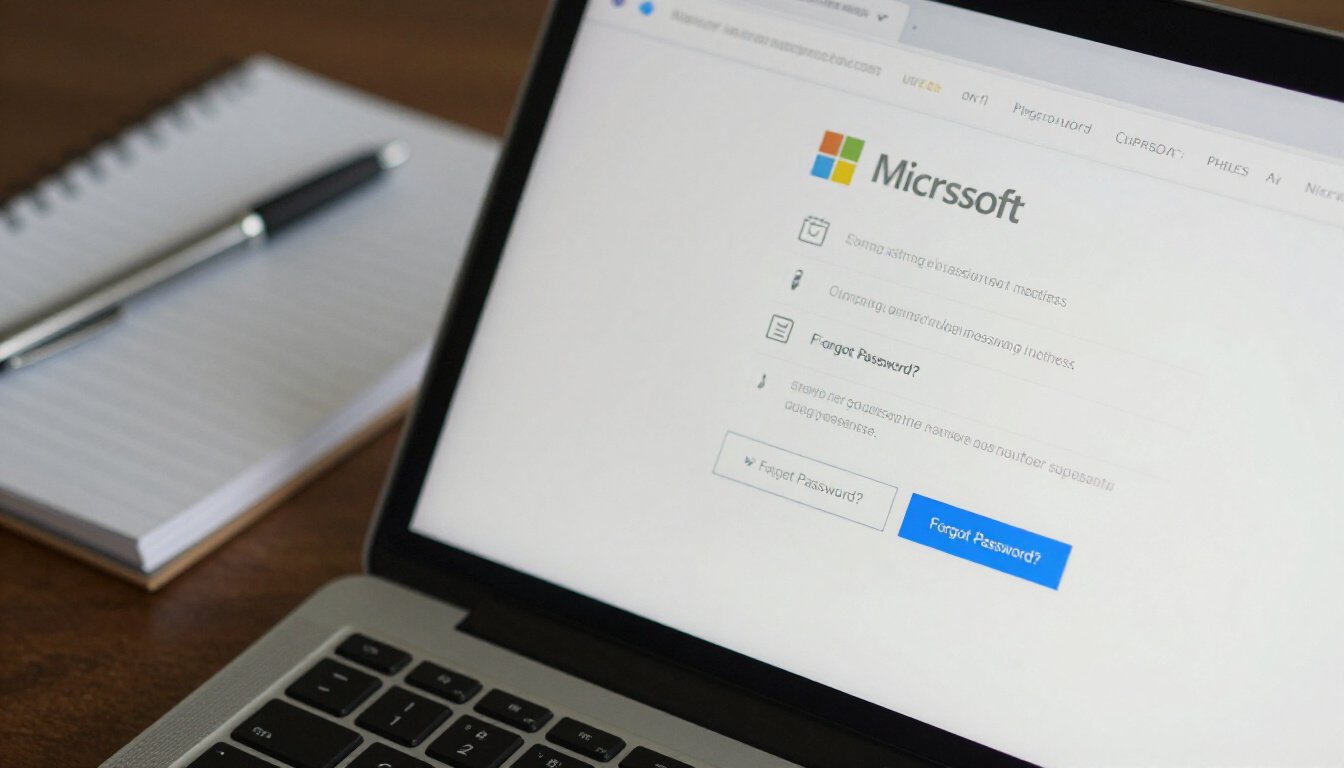
Ever found yourself staring at the screen, trying to remember that elusive password? We’ve all been there. Resetting your Microsoft account password can feel like a daunting task, but it doesn’t have to be. Think of it as a quick pit stop on the road to seamless access. Let’s dive into the nitty-gritty of how you can reset your password safely and efficiently.
First things first, head over to the Microsoft account recovery page. This is your starting point. Here, you’ll be prompted to enter your email address or phone number associated with your account. Once you’ve done that, click on the “Next” button. Simple, right? But wait, there’s more.
You’ll receive a verification code via email or SMS. This is your golden ticket. Enter the code in the designated field on the recovery page. It’s like opening a secret door to your account. But remember, time is of the essence; these codes have a short lifespan, so act quickly!
Once you’ve successfully entered the verification code, you’ll be taken to the password reset page. Here’s where the magic happens. Craft a new password that is both strong and unique. Think of it as building a fortress around your account. Use a mix of uppercase and lowercase letters, numbers, and symbols. Avoid common phrases or easily guessed words like “password123” or your pet’s name.
Here’s a quick tip: consider using a password manager to keep track of your passwords. It’s like having a personal assistant for your digital life. These tools can generate strong passwords and store them securely, so you don’t have to remember them all.
After setting your new password, you’ll be asked to confirm it. This step ensures there are no typos or mistakes. Once confirmed, your password will be reset, and you can breathe a sigh of relief. You’re back in the game!
Resetting your password is not just a task; it’s an opportunity to strengthen your account’s security. Regularly updating your password is a good habit. It’s like changing the locks on your door every once in a while. It keeps potential intruders at bay.
In conclusion, resetting your Microsoft account password doesn’t have to be a hassle. With these steps, you can do it smoothly and securely. Remember, a strong password is your first line of defense in the digital world. So, take a moment to craft one that keeps your account safe and sound.
Two-Step Verification Benefits
Imagine your Microsoft account as a treasure chest filled with your digital valuables. Now, picture a sturdy lock on that chest. That’s what two-step verification does for your account. It’s like adding an extra layer of security that keeps your account safe from prying eyes. But what exactly are the benefits of this security feature? Let’s dive in and find out.
First off, two-step verification provides an additional layer of protection. It’s not just about having a strong password anymore. With cyber threats lurking around every corner, relying solely on a password is like leaving your front door unlocked. Two-step verification requires you to provide a second piece of information, usually a code sent to your phone or email. This means that even if someone gets hold of your password, they still can’t access your account without this code. It’s like having a second key to your treasure chest, one that only you can use.
Another benefit is the peace of mind it brings. Knowing that your account is protected by two-step verification can help you sleep better at night. You won’t have to worry as much about unauthorized access or the dreaded “Your account has been compromised” message. It’s like having a security system for your digital life. Plus, enabling this feature is surprisingly simple and doesn’t require any technical wizardry.
Furthermore, two-step verification can prevent future headaches. Ever had to deal with a locked account because someone tried to hack it? It’s a nightmare. By enabling two-step verification, you’re less likely to face such issues. It’s like putting a “Do Not Disturb” sign on your account, warning potential intruders that it’s not worth the trouble.
Still not convinced? Let’s look at a simple comparison in a table:
| Without Two-Step Verification | With Two-Step Verification |
|---|---|
| Higher risk of unauthorized access | Significantly reduced risk |
| Single layer of security | Double layer of protection |
| Increased vulnerability to phishing | Enhanced defense against phishing |
So, if you haven’t enabled two-step verification yet, it’s time to consider it seriously. Not only does it enhance your account’s security, but it also gives you that extra peace of mind. Remember, in the digital world, it’s always better to be safe than sorry. So go ahead, lock up your treasure chest with two-step verification, and keep your digital valuables safe and sound.
Contacting Microsoft Support
So, you’ve tried everything and still can’t get back into your Microsoft account? Don’t worry, you’re not alone. Sometimes, the best option is to reach out to the people who know the system inside and out. That’s right, it’s time to contact Microsoft Support. But before you do, let’s make sure you have all your ducks in a row.
First things first, ensure you’ve exhausted all self-service options. This means you’ve tried resetting your password, used the account recovery form, and double-checked your login details. If none of these have worked, it’s time to escalate the issue. Microsoft Support is like the cavalry; they come in when all else fails.
When reaching out, it’s crucial to have all relevant information at your fingertips. This includes your account email, any error messages you’ve encountered, and a brief description of the problem. Think of this as your digital ID; it helps the support team understand your issue without a hitch.
Now, how do you actually contact them? Microsoft offers several ways to get in touch. You can visit their support website where you’ll find options to chat online or even schedule a call. If you’re more of a social media butterfly, you can also reach out via their official Twitter support handle. Just remember, patience is key. Support teams are often swamped, but they do their best to get back to you promptly.
Here’s a little tip from my personal experience: when I had trouble accessing my account, I found that using the chat option was the quickest way to get a response. The chat representatives are knowledgeable and can guide you through the process step-by-step. It’s like having a friend on the inside who’s ready to help you out of a jam.
Before you wrap up your interaction with support, make sure to ask for any additional tips to prevent future lockouts. They might offer insights you hadn’t considered, like updating your security information or enabling two-step verification. It’s like getting a bonus round in a game; you get extra information to level up your account security.
In conclusion, contacting Microsoft Support is a straightforward process, but being prepared can make all the difference. With the right information and a bit of patience, you’ll be back in your account in no time. And remember, it’s always better to ask for help than to struggle alone. After all, even the best of us need a little assistance from time to time.
Preventing Future Account Lockouts
Ever found yourself locked out of your Microsoft account and thought, “How did this even happen?” It’s like being locked out of your own house, isn’t it? But don’t worry, I’ve got some tips to help you keep that door wide open in the future. Let’s dive into how you can prevent your Microsoft account from getting locked again.
First things first, always ensure that your security information is up-to-date. Think of it as your digital spare key. If something goes wrong, you’ll need it to get back in. Regularly check your recovery email and phone number. Make sure they’re current. This is crucial because if you ever need to recover your account, outdated info can slow you down.
Another important step is to create a strong, unique password. You wouldn’t use a flimsy lock on your front door, right? The same goes for your account. Use a mix of letters, numbers, and symbols. Avoid using obvious passwords like “password123” or “qwerty.” Those are like leaving your key under the doormat.
Consider enabling two-step verification. This is like adding an extra layer of security, almost like a second lock. Even if someone gets hold of your password, they’ll need a second code to access your account. It’s a small step that makes a big difference in securing your account.
It’s also wise to be cautious of phishing attempts. These are sneaky tricks to get your login details. Always double-check the sender’s email address before clicking on any links. If something seems fishy, it probably is. Trust your instincts.
Lastly, make it a habit to review your account activity. Microsoft provides a way to check recent logins. If you notice anything unusual, act immediately. Change your password and update your security info. It’s like checking your bank statement for any unauthorized charges.
In conclusion, keeping your Microsoft account secure is all about staying vigilant and proactive. By updating your security information, using strong passwords, enabling two-step verification, and being cautious of phishing, you can keep your account safe and sound. Remember, it’s better to be safe than sorry!
Recognizing Phishing Attempts
Have you ever received an email that seemed a little off? Maybe it was from a company you know, but something just didn’t sit right. That’s the sneaky world of phishing. And it’s more common than you might think. Phishing attempts are like wolves in sheep’s clothing, trying to trick you into handing over your sensitive information. But fear not! With a little know-how, you can spot these scams a mile away.
First off, always scrutinize the sender’s email address. Phishers often create addresses that look almost identical to legitimate ones. It’s like a magician’s sleight of hand, hoping you won’t notice the subtle differences. If you see an email from micr0soft.com instead of microsoft.com, that’s a red flag waving right in your face.
Next, pay attention to the language used in the email. Phishing emails often have a sense of urgency. They might say, “Act now to avoid losing access to your account!” This is a classic trick to make you panic and act without thinking. Remember, real companies won’t pressure you like this. They know that patience is a virtue.
Another telltale sign is the presence of suspicious links. If you hover over a link in the email (without clicking!), you can usually see the actual URL at the bottom of your browser. If the link doesn’t match the supposed sender or looks like a jumbled mess of letters and numbers, don’t even think about clicking it. It’s like walking into a trap with your eyes wide open.
Phishing attempts can also come through phone calls or text messages. Imagine getting a call from someone claiming to be from Microsoft, asking for your password. Would you give it to them? Of course not! Companies like Microsoft will never ask for your password over the phone or email. It’s like giving the keys to your house to a stranger.
To help you recognize these scams, here’s a quick table summarizing common phishing tactics:
| Phishing Tactic | Description |
|---|---|
| Fake Email Address | Slightly altered addresses that mimic legitimate ones. |
| Urgent Language | Messages that create a sense of panic or urgency. |
| Suspicious Links | Links that don’t match the sender or look unusual. |
| Unsolicited Calls | Phone calls asking for sensitive information. |
In conclusion, recognizing phishing attempts is all about being cautious and aware. It’s like playing detective in a mystery novel. You have to look for the clues and piece them together. Always question anything that seems out of the ordinary, and never hesitate to reach out to the company directly if you’re unsure. By staying vigilant, you can keep your Microsoft account—and all your personal information—safe from prying eyes.
Updating Security Information
Keeping your security information up to date is like having a sturdy lock on your front door. It ensures your Microsoft account remains secure and easily recoverable if ever locked. Imagine trying to get into your house without the right keys; frustrating, right? The same goes for your account. Regularly updating your security details can save you from a world of headaches.
First things first, why is it so crucial? Well, life happens. People change their phone numbers, switch email addresses, or even forget their security questions. If your account gets locked and your recovery information is outdated, it’s like trying to open a door with an old, rusty key. Not fun. By ensuring your security information is current, you’re setting yourself up for a smooth recovery process if needed.
So, how do you go about updating this information? It’s simpler than you might think. Head over to the Microsoft account security page. Here, you can review and update your details. Make sure your phone number and alternative email address are correct. These are the primary methods Microsoft will use to verify your identity if you need to regain access to your account. Think of it as giving your account a little tune-up.
Let’s talk about security questions. They might seem like a relic from the past, but they’re still a valuable tool in keeping your account secure. Choose questions and answers that are easy for you to remember but hard for others to guess. It’s like having a secret handshake only you and your account know. Regularly revisiting these questions ensures they remain relevant and effective.
Now, what if you have multiple accounts? Keeping track of security information across them can be a bit like juggling. One slip, and things can get messy. To avoid this, create a simple table to organize your security details. Here’s a quick example:
| Account | Phone Number | Backup Email | Security Question |
|---|---|---|---|
| Personal | 123-456-7890 | backup@example.com | Mother’s maiden name |
| Work | 098-765-4321 | workbackup@example.com | First pet’s name |
Updating your security information might seem like a chore, but it’s more of an investment in peace of mind. Think of it as setting up a safety net. When everything is up to date, you can rest easy knowing that if the unexpected happens, you’re prepared. So, take a few minutes today to check your security details. Your future self will thank you.
Utilizing Microsoft Authenticator App
Have you ever found yourself locked out of your Microsoft account and felt like you were trying to crack a safe without the combination? It’s a frustrating experience, no doubt. But what if I told you there’s a handy tool that can make this process a breeze? Enter the Microsoft Authenticator App. This app is like having a digital bodyguard for your account, ensuring that only you have the keys to your digital kingdom.
So, how does this magical app work? Well, the Microsoft Authenticator App serves as a second layer of security, which is vital in today’s world of cyber threats. Think of it as a double lock on your front door. You wouldn’t leave home with just one lock, would you? The app generates a unique verification code that you need to enter, along with your password, to access your account. This means even if someone gets hold of your password, they still can’t get in without the code. It’s like having a secret handshake that only you know.
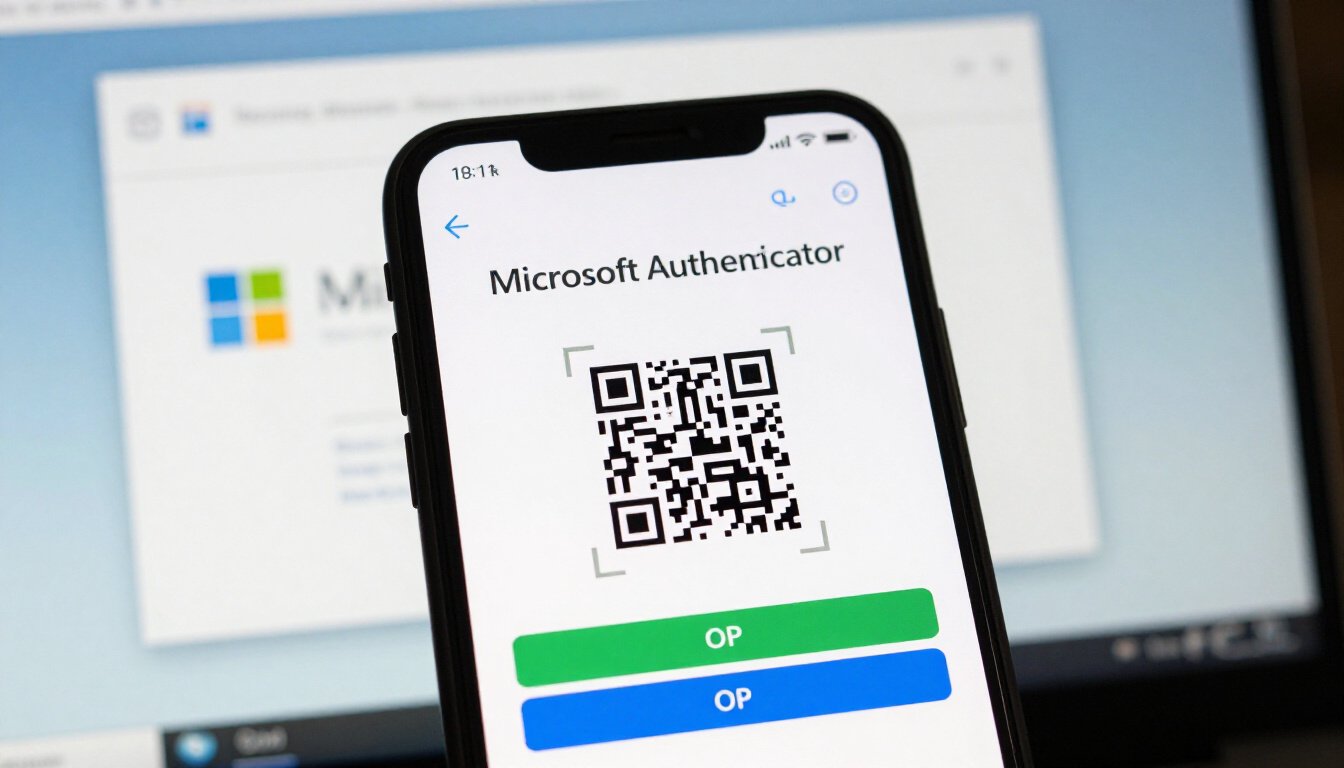
Setting up the app is as easy as pie. First, download it from your app store. Once installed, follow the simple steps to link it to your Microsoft account. The app will guide you through scanning a QR code, and voilà, you’re set up. From then on, whenever you log in, the app will generate a new code. This code is like a one-time-use ticket to your account, ensuring that every login is secure. It’s a bit like having a bouncer at the club door who changes the password every time you visit.
But wait, there’s more! The app isn’t just for logging in. It also helps in account recovery. If you ever find yourself locked out, the app can help you regain access without the hassle of long recovery forms. It’s like having a master key when you lose your house keys. Plus, it keeps you informed with alerts about suspicious activity, allowing you to act quickly if something seems fishy.
For those who love numbers, let’s break it down with a simple table:
| Feature | Benefit |
|---|---|
| Two-Factor Authentication | Enhances security by requiring a second form of verification |
| Easy Setup | Quick and straightforward process to link with your account |
| Account Recovery | Simplifies the process of regaining access if locked out |
| Security Alerts | Notifies you of suspicious activity to prevent unauthorized access |
So, if you haven’t already, give the Microsoft Authenticator App a try. It’s like having a trusty sidekick in your pocket, always ready to protect your digital world. And remember, in the battle against cyber threats, it’s always better to be safe than sorry. So, arm yourself with this app and keep your Microsoft account secure and sound.
Frequently Asked Questions (The title must be written in English (US))
- Why was my Microsoft account locked?
Your Microsoft account might get locked due to suspicious activity, multiple failed login attempts, or a violation of Microsoft’s terms of service. Understanding these reasons can help you prevent future lockouts.
- What should I do first if my account is locked?
Initially, ensure that you’re using the correct login credentials. Double-check for any typing errors. If the issue persists, consider using the Microsoft account recovery form to regain access.
- How do I use the Microsoft account recovery form?
To use the recovery form, provide as much accurate information as possible about your account. This includes your email address, phone number, and any security questions you might have set up.
- What is a verification code, and how do I use it?
A verification code is a security measure sent to your registered email or phone. Enter this code when prompted to verify your identity and unlock your account.
- How can I reset my Microsoft account password?
Reset your password by selecting the “Forgot password?” option on the login page. Follow the prompts to create a new, strong password that is unique and secure.
- What are the benefits of two-step verification?
Enabling two-step verification adds an extra layer of security to your account, making it harder for unauthorized users to gain access, even if they have your password.
- How can I contact Microsoft support?
If self-service options don’t resolve your issue, contact Microsoft support through their official website. They can provide additional assistance to help you regain access to your account.
- How can I prevent future account lockouts?
Prevent future lockouts by keeping your security information updated, enabling two-step verification, and being cautious of suspicious activities or phishing attempts.
- What are phishing attempts, and how can I avoid them?
Phishing attempts are fraudulent activities aimed at obtaining your personal information. Avoid them by not clicking on suspicious links and verifying the source of any emails or messages you receive.
- Why is it important to update my security information?
Keeping your security information up to date ensures a smoother recovery process if your account gets locked. It also helps in verifying your identity quickly.
- What is the Microsoft Authenticator app, and how does it help?
The Microsoft Authenticator app provides enhanced security by generating verification codes for two-step verification. It also simplifies the account recovery process.