In today’s digital age, securing our online presence is more important than ever. With cyber threats lurking around every corner, the need for robust security measures has skyrocketed. Enter Two-Factor Authentication (2FA), a security feature designed to add an extra layer of protection to your online accounts. But what exactly is 2FA, and why is it so crucial? Let’s dive in and explore the world of two-factor authentication, unraveling its mysteries and understanding its significance in safeguarding our sensitive information.
At its core, two-factor authentication is a method of confirming a user’s identity by requiring two different types of information. Think of it as a double-lock system on your digital door. The first lock is your password, something you know. But passwords alone can be weak or easily compromised. That’s where the second lock comes in, typically something you have, like a phone, or something you are, like a fingerprint. By combining these two elements, 2FA ensures that even if one lock is picked, the other remains secure.
Why is this extra step so important? Well, in a world where cybercriminals are constantly devising new ways to breach our defenses, relying solely on passwords is like leaving the front door open. Two-factor authentication acts as a digital bouncer, ensuring only the rightful owner gains access. It’s like having a trusty sidekick who always has your back, ready to fend off any unwanted intruders.
But how does 2FA work in practice? Imagine logging into your email account. You enter your password, and then you’re prompted to verify your identity through a second factor. This could be a unique code sent to your phone via SMS, a notification from an authentication app, or even a fingerprint scan. This multi-layered approach makes it exponentially harder for hackers to gain unauthorized access, providing peace of mind and bolstering your digital security.
In conclusion, two-factor authentication is not just a buzzword; it’s a vital component of modern cybersecurity. By adding an extra layer of protection, 2FA helps keep our online accounts safe from prying eyes and malicious actors. So, the next time you’re setting up an account, remember the importance of enabling two-factor authentication. It’s a small step that can make a world of difference in keeping your digital life secure.
Understanding Two-Factor Authentication
In today’s digital landscape, where our lives are increasingly intertwined with online accounts, keeping our information secure is more important than ever. Enter Two-Factor Authentication (2FA). But what exactly is it? Imagine your online account as a house. A password is like a key to your front door. But what if someone steals your key? That’s where 2FA comes in. It adds an extra lock, a second layer of security, making it much harder for intruders to break in.
Two-Factor Authentication is a security process that requires not one, but two forms of identification to access an account. It’s like having a bouncer at a club who checks your ID and then asks for a secret password. The first factor is something you know, like your password. The second factor is something you have, like your smartphone, or something you are, like your fingerprint. This dual-layer approach significantly reduces the risk of unauthorized access.
Now, you might be wondering, how does 2FA differ from traditional password security? Well, traditional security relies solely on passwords. And let’s face it, passwords can be weak. They can be guessed, stolen, or hacked. But 2FA steps up the game. It requires an additional verification step, making it exponentially harder for cybercriminals to gain access to your accounts. It’s like having a secret handshake that only you and your account know.
Why is this important? Because in a world where data breaches and cyber attacks are as common as morning coffee, safeguarding your online accounts is crucial. Two-Factor Authentication acts as a digital bodyguard, ensuring that even if someone gets hold of your password, they can’t waltz into your account without that second piece of verification. It’s peace of mind in a world full of digital chaos.
In essence, 2FA plays a pivotal role in safeguarding online accounts by providing an additional layer of protection. It’s like wearing a seatbelt while driving. You might not always need it, but when you do, it can save you from a world of trouble. So, next time you log in, consider enabling Two-Factor Authentication. It’s a small step that can make a big difference in keeping your digital life secure.
Why Two-Factor Authentication is Essential
In today’s digital world, where our lives are increasingly intertwined with the internet, the importance of two-factor authentication (2FA) cannot be overstated. Imagine your online accounts as a fortified castle. A simple password is like a single gate—easily breached by determined attackers. But add a moat, drawbridge, and guards, and you have a fortress. That’s what 2FA does for your digital presence. It adds an extra layer of security, making it exponentially harder for cybercriminals to infiltrate your accounts.
So, why is 2FA so crucial? Let’s dive into the reasons. First, the internet is teeming with threats. From phishing scams to hacking attempts, the dangers are ever-present. Without adequate protection, your sensitive information is at risk. Think of it like leaving your front door wide open in a busy neighborhood—it’s an invitation for trouble. Two-factor authentication acts as a vigilant security system, ensuring that only you can access your accounts.
Moreover, the rise of cybercrime is alarming. Hackers are becoming more sophisticated, employing a range of tactics to steal personal data. The need for additional protection has never been more pressing. Two-factor authentication addresses this by requiring not just something you know (your password) but also something you have (like your phone) or something you are (biometrics). This dual-layer defense significantly reduces the chances of unauthorized access.
Let’s not forget the peace of mind that comes with enhanced security. Knowing that your accounts are protected by two-factor authentication allows you to browse, shop, and communicate online with confidence. It’s like having a seasoned bodyguard by your side, ensuring your safety at every turn. This assurance is invaluable, especially when conducting sensitive transactions or handling confidential information.
Finally, implementing 2FA fosters trust in digital interactions. Whether you’re a business owner or an individual, using two-factor authentication signals to others that you take security seriously. It builds credibility and reassures clients, customers, and partners that their data is safe with you. In a world where trust is currency, this can make all the difference.
In conclusion, two-factor authentication is not just a security measure—it’s a necessity. As cyber threats continue to evolve, safeguarding your digital assets requires more than just a password. By embracing 2FA, you are taking a proactive step towards protecting your online identity and ensuring that your digital castle remains secure.
Common Security Threats
In today’s digital world, security threats lurk around every corner. We often hear about phishing, hacking, and identity theft, but what do these terms really mean? Let’s dive into these common threats and see how two-factor authentication (2FA) can act as a protective shield.
First up, phishing. Imagine receiving an email that looks like it’s from your bank. The logo’s there, the language is professional, and it even addresses you by name. But there’s one catch—it’s fake. Phishing is all about deception, tricking you into giving up sensitive information like passwords or credit card numbers. And once the phishers have it, they can wreak havoc. But here’s where 2FA comes in. Even if someone gets your password, they still need that second factor, like a code sent to your phone, to access your account. It’s like having a secret handshake that only you know.
Then there’s hacking. It’s not just something that happens in movies. Hackers are real, and they’re constantly trying to break into systems to steal data or cause disruption. They might use malware, exploit vulnerabilities, or even guess weak passwords. But with 2FA, even if a hacker cracks your password, they’re stopped in their tracks without that second authentication factor.
Identity theft is another biggie. It’s when someone steals your personal information and pretends to be you. They might open credit cards in your name or even commit crimes with your identity. It’s scary stuff. But by using 2FA, you add an extra layer of security that makes it much harder for identity thieves to succeed. Think of it as locking your front door and then adding a deadbolt.
Let’s face it, the internet can be a wild place. But understanding these threats and taking steps to protect yourself can make a world of difference. Two-factor authentication isn’t a silver bullet, but it’s a powerful tool in your security toolkit. So, next time you set up an online account, consider enabling 2FA. It might just save you a world of trouble.
Benefits of Two-Factor Authentication
In today’s digital landscape, where cyber threats lurk around every virtual corner, the benefits of Two-Factor Authentication (2FA) cannot be overstated. Imagine locking your front door with not just one, but two locks. That’s what 2FA does for your online accounts. It adds an extra layer of security, ensuring that even if someone manages to get hold of your password, they can’t waltz right in. Let’s dive deeper into why this is so crucial.
First off, there’s the obvious advantage: enhanced security. With 2FA, you’re not just relying on a single password that could be guessed or stolen. Instead, you’re using a combination of something you know (like your password) and something you have (like your phone or a fingerprint). This makes it significantly harder for cybercriminals to breach your defenses.
But it’s not just about keeping the bad guys out. 2FA also brings a sense of peace of mind. It’s like having a security guard watching over your digital life. You can rest easy knowing that your sensitive information is much safer from prying eyes. This peace of mind extends to every online transaction you make, whether it’s shopping, banking, or simply logging into your social media accounts.
Moreover, implementing 2FA can lead to increased trust in digital transactions. Businesses that offer 2FA show their commitment to protecting their customers’ data. This builds trust and loyalty, as users feel more secure when sharing their personal information. It’s a win-win situation for both parties involved.
And let’s not forget the adaptability of 2FA. Whether you’re a tech-savvy individual or someone who prefers simplicity, there’s a 2FA method that suits your needs. From SMS-based codes to app-based solutions like Google Authenticator, the options are diverse and cater to different preferences.
In essence, the benefits of 2FA are clear and compelling. It’s like having a digital bodyguard, ensuring that your online presence remains safe and sound. As cyber threats continue to evolve, adopting 2FA is not just a smart choice—it’s an essential one. So, why leave your digital door unlocked when you can double up on security with 2FA?
Types of Two-Factor Authentication Methods
In today’s digital world, where everything from banking to personal communication happens online, security is more crucial than ever. This is where two-factor authentication (2FA) steps in, acting like a trusty lock on a treasure chest. It’s not just about having a password anymore; it’s about adding an extra layer of security that makes it tougher for cyber villains to break in. So, what are the different types of 2FA methods available, and how do they work? Let’s dive into the fascinating world of two-factor authentication methods.
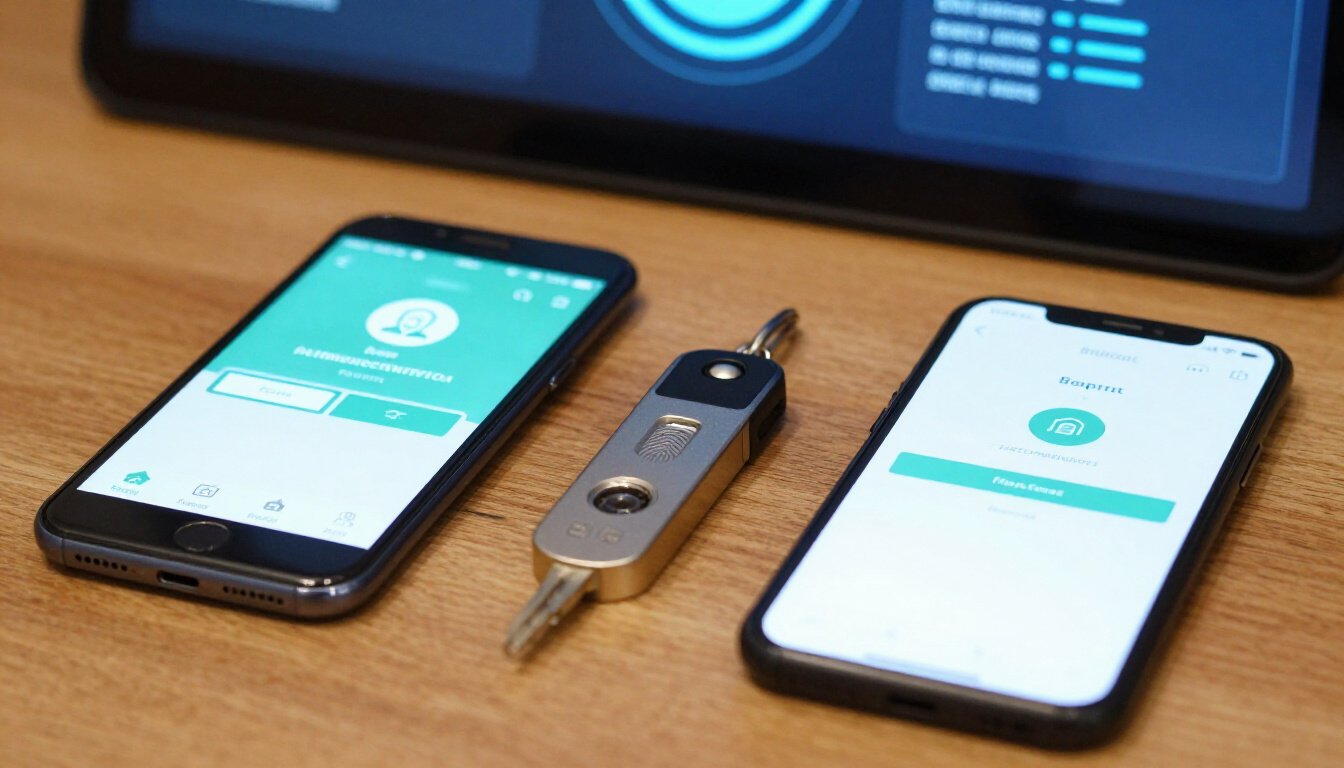
One of the most common and widely used methods is SMS-based authentication. It’s like getting a secret code sent straight to your phone. This method is convenient because almost everyone has a mobile phone these days. When you try to log in, you’ll receive a text message with a code that you need to enter alongside your password. It’s simple and effective, but not without its flaws. There are potential vulnerabilities, such as SIM swapping, where hackers can intercept your messages. Despite these risks, for many, it’s a quick and easy way to add an extra layer of protection.
Next up is the app-based authentication method. Imagine having a personal security guard on your phone, always ready to verify your identity. Apps like Google Authenticator and Authy offer this service. They generate time-sensitive codes that you enter when logging in. The beauty of app-based authentication is its enhanced security. Unlike SMS, these apps don’t rely on your phone’s network, making them less susceptible to interception. Plus, they work even when your phone is offline, which is a huge bonus if you’re traveling or in an area with spotty service.
Then there’s the futuristic world of biometric authentication. Think of it as your body’s unique signature. This method uses your fingerprint, face, or even voice to verify your identity. It’s like having a personal key that only you can use. Biometric authentication is gaining popularity because it’s incredibly secure and convenient. You don’t need to remember any codes or carry extra devices. However, it’s not without its challenges. Not all devices support biometric features, and there are concerns about privacy and data security.
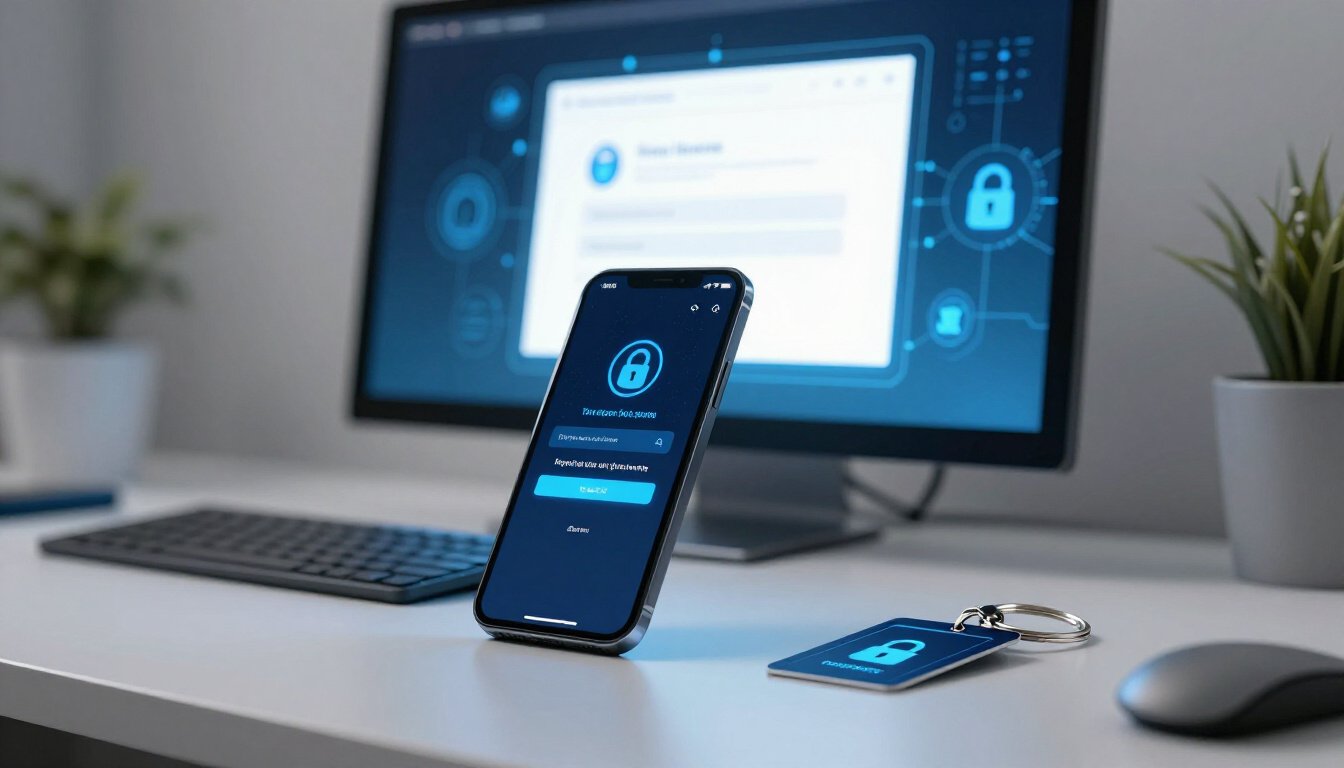
Finally, let’s talk about hardware tokens. These are physical devices, often resembling a USB stick, that you carry with you. When you log in, the token generates a unique code that you enter along with your password. It’s like having a mini fortress in your pocket. Hardware tokens are highly secure because they’re not connected to the internet, making them immune to online attacks. However, they can be inconvenient to carry around, and if you lose the token, accessing your accounts can become a hassle.
In summary, each 2FA method has its own set of advantages and disadvantages. Whether it’s the convenience of SMS, the enhanced security of app-based systems, the futuristic appeal of biometrics, or the robust protection of hardware tokens, there’s a method to suit everyone’s needs. The key is to find the right balance between convenience and security, ensuring that your digital treasure remains safe from prying eyes.
SMS-Based Authentication
Picture this: You’re logging into your favorite online service, and after entering your password, you receive a text message on your phone. That little buzz in your pocket is more than just a notification; it’s an extra layer of security called . This method is simple, convenient, and has become a staple for many online platforms. But what makes it tick, and why should you care?
At its core, SMS-based authentication involves sending a unique code to your registered phone number. Once you receive this code, you enter it on the website or app to verify your identity. It’s like having a secret handshake that only you and the service provider know. This extra step ensures that even if someone gets hold of your password, they still can’t access your account without that special code.
Now, let’s talk about convenience. Almost everyone carries a mobile phone these days. Whether you’re at home, at work, or on the go, your phone is likely within arm’s reach. This makes SMS-based authentication incredibly accessible. No need to download additional apps or carry extra gadgets; just a simple text message does the trick.
However, it’s not all sunshine and rainbows. While SMS-based authentication is widely used, it’s not without its flaws. One of the main concerns is the potential for SIM swapping. This is when a malicious actor convinces your mobile carrier to transfer your phone number to a new SIM card that they control. Scary, right? Once they have control of your number, they can receive your verification codes. Additionally, text messages can sometimes be intercepted by hackers, posing another risk to consider.
Despite these vulnerabilities, SMS-based authentication remains popular because it strikes a balance between security and user-friendliness. It’s like having a trusty old lock on your front door; it may not be the most advanced security system, but it gets the job done for most people. Plus, it’s supported by a vast majority of online services, making it a go-to option for many users.
In conclusion, SMS-based authentication offers a straightforward way to enhance your online security. It’s not perfect, but for many, it’s a significant step up from relying solely on passwords. Just remember, like any security measure, it’s most effective when used in combination with other methods. So, next time you get that text message code, know that it’s playing a crucial role in keeping your digital life safe.
App-Based Authentication
Let’s dive into the world of . Ever wondered how you can make your online accounts more secure without the hassle of remembering yet another password? Well, app-based authentication might just be your new best friend. It’s like having a digital bodyguard that ensures only you can access your accounts. But how does it work, and why is it so popular?
App-based authentication uses a mobile app to generate a unique code. This code, which changes every few seconds, is your ticket to accessing your account. Imagine it as a secret handshake that only you and the app know. When you log in, you enter your password and then this unique code. It’s a two-step process that makes it much harder for anyone else to sneak in.
Why is this method gaining traction? Simple. It’s secure and user-friendly. Unlike SMS-based authentication, which can be vulnerable to SIM swapping attacks, app-based methods are generally safer. They are not reliant on your phone number but rather on the app itself. Popular apps like Google Authenticator and Authy have made it easy for users to adopt this security measure. They offer a seamless experience, with quick setup and easy integration with many online services.
One of the perks of app-based authentication is its offline functionality. You don’t need an internet connection to generate the authentication code. This can be a lifesaver if you’re in an area with spotty internet service. It’s like having a backup plan that doesn’t fail, no matter where you are.
However, it’s not all sunshine and rainbows. There are some challenges to consider. For instance, losing your phone can be a headache. But fear not, most apps offer backup options. You can save recovery codes or sync your authentication app with multiple devices. This ensures you’re not locked out of your accounts.
In conclusion, app-based authentication is a robust and convenient way to enhance your online security. It’s like having a personal security system that fits right in your pocket. Whether you’re a tech-savvy individual or someone who just wants to keep things simple, this method offers an excellent balance of security and usability. So, why not give it a try and add an extra layer of protection to your digital life?
Implementing Two-Factor Authentication
In today’s digital age, protecting sensitive information is more crucial than ever. With cyber threats lurking around every corner, two-factor authentication (2FA) has emerged as a vital tool for enhancing security. But what exactly is 2FA, and why is it so important? Let’s dive into the world of two-factor authentication, exploring how it works and why it’s essential for safeguarding our online lives.
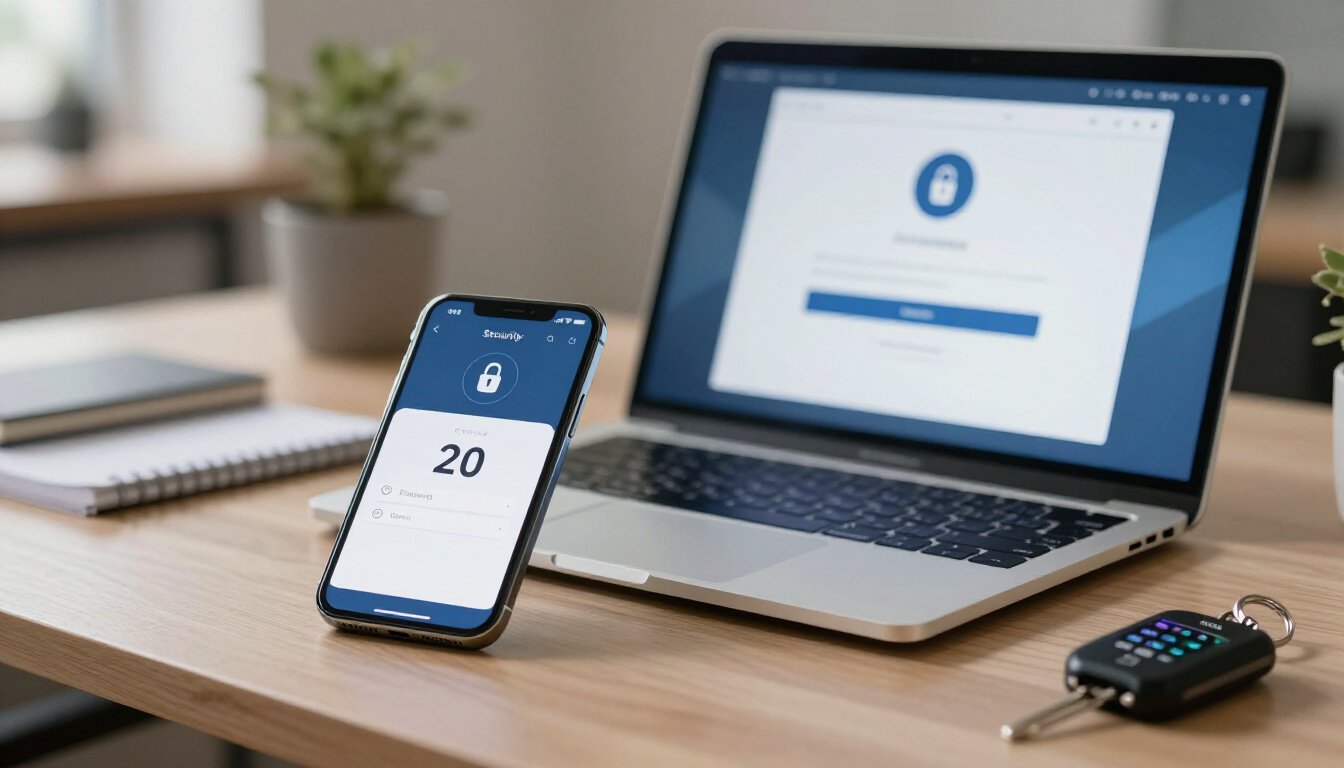
So, you’re ready to take the plunge and implement two-factor authentication. Great choice! But where do you start? Implementing 2FA is like adding an extra lock to your digital door. It’s not just about setting it up; it’s about doing it effectively. The first step is to identify which accounts need this added layer of security. Think of your email, banking, and social media accounts as the crown jewels of your online presence. These are the accounts that hackers are most interested in, so they should be your top priority.
Once you’ve identified the accounts to protect, it’s time to choose the right 2FA method. Each method has its pros and cons, so it’s crucial to pick one that fits your needs. For many, SMS-based authentication is a convenient choice because it’s simple and doesn’t require any additional apps. However, it’s important to be aware of its potential vulnerabilities, such as SIM swapping. If you’re looking for something more secure, app-based authentication might be the way to go. Apps like Google Authenticator and Authy offer a robust solution with a user-friendly experience.
Now, let’s talk about best practices. Implementing 2FA isn’t a set-it-and-forget-it kind of deal. Regularly updating your authentication methods and staying informed about new threats is key to maintaining security. It’s also wise to educate yourself and your team about common security threats. After all, knowledge is power. Consider conducting regular security audits to ensure that your 2FA setup is working as intended. This can help you catch any potential weaknesses before they become a problem.
Of course, implementing 2FA isn’t without its challenges. One common issue is the inconvenience factor. Let’s be honest—nobody likes jumping through hoops to access their accounts. To minimize frustration, it’s important to strike a balance between security and convenience. For businesses, this might mean offering multiple 2FA options to accommodate different user preferences. For individuals, it could involve setting up backup methods in case your primary method fails.
In conclusion, implementing two-factor authentication is a smart move for anyone looking to bolster their online security. By choosing the right method, following best practices, and staying informed, you can effectively protect your digital assets. Remember, in the world of cybersecurity, an ounce of prevention is worth a pound of cure. So, take the leap and secure your accounts today. Your future self will thank you.
Frequently Asked Questions
- What is Two-Factor Authentication (2FA)?
Two-Factor Authentication, often abbreviated as 2FA, is an extra layer of security used to ensure that people trying to gain access to an online account are who they say they are. First, a user will enter their username and a password. Then, instead of immediately gaining access, they will be required to provide another piece of information. This second factor could come from one of the following categories: something you know, something you have, or something you are.
- Why should I use Two-Factor Authentication?
In today’s digital world, cyber threats are constantly evolving, and relying solely on passwords is like using a single lock on a treasure chest full of gold. Two-Factor Authentication adds an additional layer of security, making it significantly harder for cybercriminals to gain unauthorized access to your accounts. It’s like having a security guard at the door who checks for two forms of ID before letting someone in.
- How does Two-Factor Authentication protect against phishing?
Phishing attacks often trick users into revealing their login credentials. However, with 2FA, even if a hacker obtains your password, they still need the second factor to access your account. It’s like having a secret handshake; without it, the door stays shut, keeping your information safe from prying eyes.
- What are the different types of Two-Factor Authentication methods?
There are several methods available for 2FA, each offering its own unique benefits. Common methods include SMS-based authentication, where a code is sent to your mobile phone; app-based authentication, which uses apps like Google Authenticator; biometric authentication, which uses fingerprints or facial recognition; and hardware tokens, which are physical devices that generate a code. Each method provides an extra layer of security, so choose the one that best fits your needs.
- Is SMS-based Two-Factor Authentication secure?
While SMS-based 2FA is convenient and widely used, it does have potential vulnerabilities, such as SIM swapping and interception of messages. However, it still provides more security than using just a password. For added protection, consider using app-based or hardware token methods, which are generally more secure.
- Can Two-Factor Authentication be bypassed?
No security measure is foolproof, and determined attackers may find ways to bypass 2FA. However, implementing 2FA significantly raises the bar for attackers, making it much more difficult for them to succeed. It’s like adding a moat around your castle; while not impossible to cross, it certainly makes it a lot harder for invaders.
- How can I set up Two-Factor Authentication?
Setting up 2FA is typically straightforward. Most online services offer 2FA under security settings. You’ll usually need to choose your preferred method (e.g., SMS, app, or hardware token) and follow the on-screen instructions to link your device or app. Once set up, you’ll receive a code or prompt each time you log in, ensuring your account is protected.